Guidance from Jasmine Darwich, Barefoot Podiatrist at Narellan Foot Clinic
Hi, I’m Jasmine Darwich, a principle podiatrist at Narellan Foot Clinic and a passionate advocate for barefoot movement. I wear minimalist shoes daily and have seen the positive impact that barefoot and minimalist footwear can have on foot strength, posture, and overall health. Barefoot or minimalist shoes, either alone or together, are a great tool when used correctly. They can help strengthen foot muscles, improve balance, and support natural movement patterns.
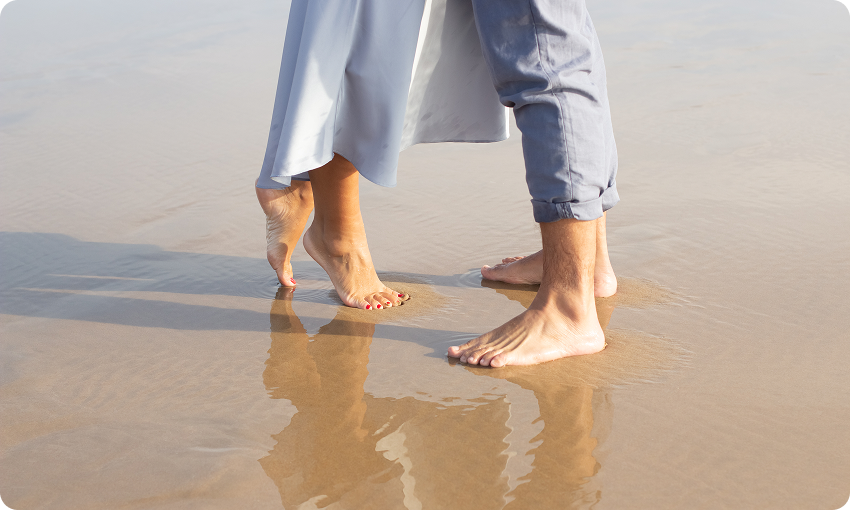
Walking barefoot reconnects the body with natural surfaces and is especially beneficial on soft surfaces like sand and grass. However, not everyone is suited to walking barefoot or wearing minimalist shoes exclusively, and caution should be taken on hard or man-made surfaces. At Narellan Foot Clinic, we assess each patient individually before recommending barefoot or minimalist activity.
Why Walking Barefoot and Minimalist Shoes Can Be Beneficial
Walking barefoot or wearing minimalist shoes offers multiple health and biomechanical benefits supported by research and clinical experience:
Strengthens foot muscles
Walking without restrictive shoes allows the intrinsic muscles of the feet to work naturally, building strength, arch support, reducing fatigue, and helping prevent overuse injuries such as plantar fasciitis.
Improves balance and proprioception
Barefoot activity and minimalist shoes stimulate sensory receptors in the feet, enhancing balance and coordination. This is particularly important for children developing motor skills and adults aiming to improve or maintain balance and coordination.
Encourages natural gait
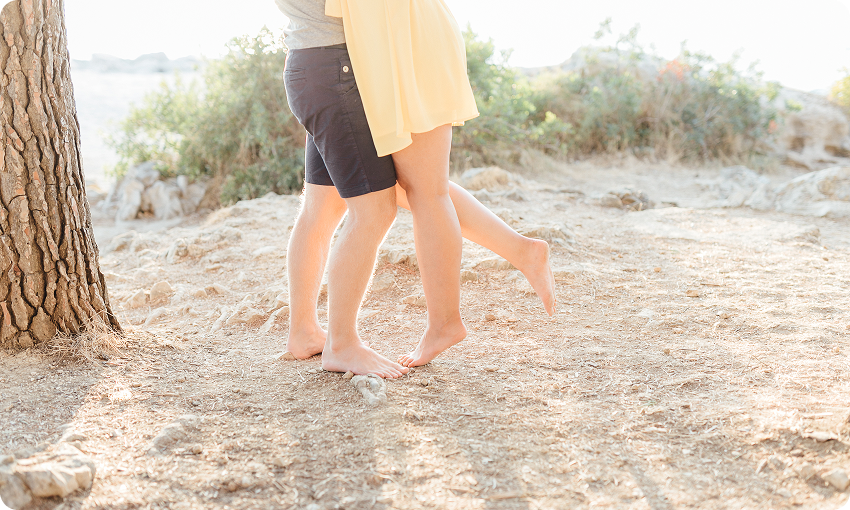
Many conventional shoes have a raised heel, narrow toe box, and rigid soles that alter walking mechanics. Barefoot or minimalist shoes promote a natural gait pattern, allowing even pressure distribution through the foot and lower limb. Conventional school shoes often have a heel rise and a tapered toe box, restricting toe splay, inhibiting foot function, increasing pressure on the forefoot and contributing to bunion formation and compensatory injuries.
Supports holistic health
Walking barefoot or using minimalist footwear under the right circumstances improves circulation, stimulates reflexology points, and reconnects people with natural surfaces. When combined with strengthening exercises and podiatric guidance, this forms part of a holistic foot care strategy.
Footwear Considerations
While barefoot activity is beneficial, appropriate footwear is crucial for daily life, school, and sports. At Narellan Foot Clinic, after a thorough assessment we may recommend barefoot or minimalist shoes that allow natural foot movement. Examples include:
- Vivo barefoot shoes
• Bprimal footwear
• Xero shoes
• Joe Nimble shoes
• Lems footwear
• Freet shoes
These shoes have flexible soles, wide toe boxes, and minimal heel rise to allow natural toe splay and foot strengthening. For children, especially school-aged kids, assessing whether minimalist shoes are suitable is essential. We often review school shoes to ensure the heel is not excessively raised and the toe box allows adequate movement. Booking an assessment at Narellan Foot Clinic is highly recommended before switching children to minimalist footwear.
Barefoot Running Trend
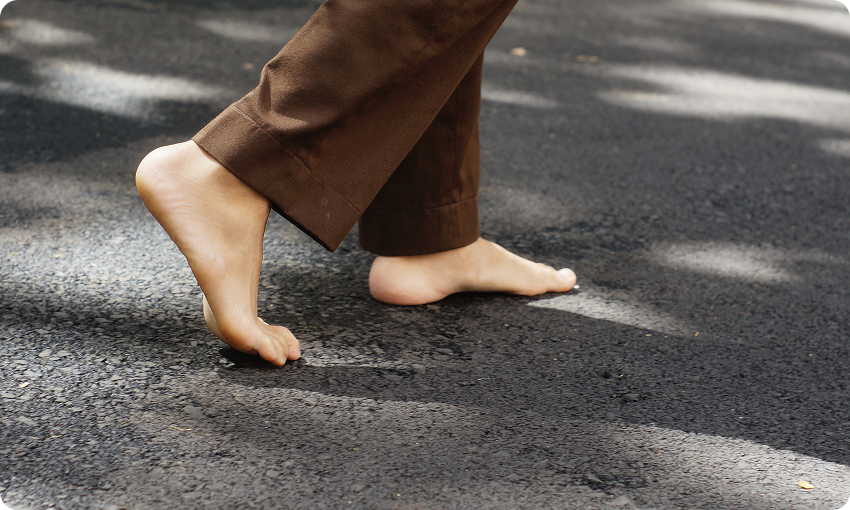
Barefoot and minimalist running has become increasingly popular, but it is not suitable for everyone immediately. Running places up to seven times your body weight in pressure through your feet and lower legs, which can contribute to injuries such as:
- Plantar plate tears
• Achilles tendinopathy or Sever’s disease
• Corns and painful callus
• Stress fractures
• Synovitis or arthritis of the foot joints
Individuals can gradually build up to barefoot or minimalist running by improving foot strength, ensuring proper foot posture, and assessing cushioning and biomechanics with a podiatrist. At Narellan Foot Clinic, we provide tailored programs to safely transition to minimalist or barefoot running.
When to Walk Barefoot or Use Minimalist Shoes
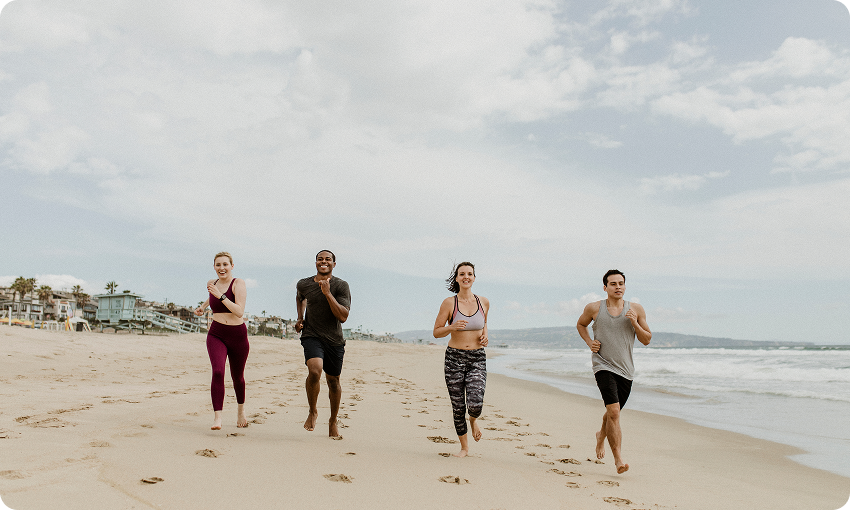
Barefoot activity and minimalist shoes are best on soft natural surfaces such as:
- Grass, soil or sand
• Soft surfaces such as carpet, Rugs, Pilates or Yoga mats
• PIP rubber, astro turf, trampolines,
Avoid hard, rough, uneven or contaminated surfaces. For daily activity, work, and sports, supportive footwear may still be required for comfort and to prevent injury.
Who Should Avoid Barefoot Walking
Barefoot walking or minimalist shoes are not suitable for everyone. At Narellan Foot Clinic, we advise it is not suitable for:
- Diabetic patients with reduced sensation or circulation
• Elderly people with fat pad atrophy or reduced balance
• People with corns, painful calluses, or fragile skin
• Individuals with foot deformities, arthritic joints, or post-surgery changes
• People currently experiencing foot, ankle, or knee pain
• Individuals with balance or neurological issues
Research and Evidence
Scientific studies support the benefits of barefoot activity and minimalist shoes:
- Barefoot walking and minimalist shoes improve foot muscle strength and arch stability compared with conventional footwear
• Barefoot activity enhances proprioception and balance, reducing fall risk
• Soft surfaces reduce impact forces, lowering joint and tendon stress
• Minimalist footwear allows natural toe splay, reducing compensations and promoting healthy foot mechanics
At Narellan Foot Clinic, we combine barefoot or minimalist activity with holistic care, including strengthening exercises, gait analysis, and guidance on safe progression.
Frequently Asked Questions
I am a diabetic. Can I walk barefoot or wear minimalist shoes?
If you have diabetes, barefoot walking is not recommended due to reduced sensation and circulation, which increases the risk of injury, infection and in extreme circumstances amputation. Protective footwear is essential.
Can children wear minimalist shoes?
Yes, children benefit from minimalist shoes when the toe box is wide and heel is low. Booking an assessment at Narellan Foot Clinic ensures shoes are suitable for school and daily wear.
Can I walk barefoot on grass or sand?
Yes, soft natural surfaces are ideal for barefoot activity but it’s always best to be assessed by your local Podiatrist. Avoid hard or contaminated surfaces.
Can walking barefoot or running in minimalist shoes cause injury?
Yes, especially if done on hard surfaces, without adequate foot strength, or during sudden increases in activity. Risks include plantar plate tears, Achilles issues, corns, callus, and joint synovitis. Booking an appointment to assess your current condition and monitor your progression is essential.
How often should I walk barefoot or wear minimalist shoes?
Short sessions several times per week are beneficial for healthy adults initially. Gradually increase time and intensity while monitoring for discomfort is highly critical.
Can barefoot or minimalist shoes replace regular footwear?
No. They complement supportive footwear but are not a replacement for work, sports, or hazardous environments. Please consult a professional Podiatrist before transitioning.
Holistic Foot Care at Narellan Foot Clinic
At Narellan Foot Clinic, barefoot activity and minimalist footwear are incorporated into a progressive holistic approach including:
- Assessment of foot structure and function
• Strengthening exercises for feet and ankles
• Advice on safe surfaces and progression
• Gait analysis and movement education
• Recommendations for barefoot or minimalist shoes for children and adults
This approach ensures safe use of barefoot and minimalist footwear to improve foot strength, mobility, and injury prevention.
Final Thoughts
Barefoot walking and minimalist shoes are powerful tools for improving foot strength, balance, and overall wellbeing when used correctly. Residents of Narellan, Camden, and the Macarthur region can benefit by walking barefoot on soft natural surfaces or incorporating minimalist shoes into their lifestyle.
However, barefoot or minimalist activity is not suitable for everyone, particularly those with diabetes, foot deformities, painful calluses, or current pain in the foot, ankle, or knee. At Narellan Foot Clinic, we provide personalised assessments, guidance, and holistic strategies to ensure safe and effective use.
If you are considering barefoot walking or minimalist shoes for yourself or your children, book an appointment at Narellan Foot Clinic. Our podiatrists will assess foot structure, strength, posture, and suitability to maximise benefits and minimise risks.

6 Comments
Enjoy every single day
Every day is a new beginning
Hahahaha You are so good
https://shorturl.fm/8FCOx
https://shorturl.fm/I5MDS
https://shorturl.fm/DaWCA