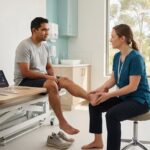
What if the shape of your feet isn’t the whole story behind discomfort or changes in the way you move? If you’re looking into foot posture correction Narellan, you may be wondering whether your foot function is contributing to the problem and whether orthotics are inevitable. They’re not an automatic outcome.
A podiatrist can assess how your feet move, where you’re experiencing discomfort and what you’d like to get back to doing. This puts your foot posture in context and helps determine whether it’s relevant to your concerns. The right approach depends on your assessment, not a one-size-fits-all insert.
In this guide, you’ll learn what a biomechanical assessment may involve, how a podiatrist considers your movement and goals, and what a personalised care plan could include. We’ll also explain where custom orthotics may fit alongside other options and what follow-up can look like. Narellan Foot Clinic has served the local community for more than 25 years, offering a practical starting point for understanding your feet and considering your next steps.
Key Takeaways
- Foot posture alone doesn’t explain every ache or movement change. An assessment can help put what you notice into context.
- A podiatrist may consider your symptoms, footwear and the way you move.
- Comparing an assessment, footwear guidance and custom orthotics can help you understand which options may suit your needs.
- For foot posture correction Narellan, a biomechanical assessment is a practical first step towards understanding your foot function and possible next steps.
- Bring your usual footwear and note when concerns arise to help make your appointment more useful.
Foot posture correction in Narellan: what it can, and cannot, change
Uneven shoe wear, sore feet or a change in the way you walk can raise questions about your foot posture. These signs are worth discussing, but they don’t identify the cause on their own. Footwear, activity levels and other factors can also affect comfort and movement.
Foot posture correction means assessing how your feet function and considering suitable ways to support movement and comfort. It isn’t about making every foot look the same. Foot posture naturally varies, and a visible difference doesn’t automatically need treatment. The key question is whether your foot function is relevant to your symptoms or the activities you want to manage.
Can foot posture cause pain or affect the way you move?
Foot posture may be one of several factors that contribute to discomfort or changes in movement. You might notice symptoms while walking, standing for a long time or returning to regular activity. Heel, arch or leg pain can have different causes, however, so appearance alone can’t show whether posture is involved. A podiatrist considers your symptoms and movement as part of an individual assessment.
What does realistic foot posture correction aim to achieve?
Care aims to address your needs, not meet a universal standard for foot shape. Depending on the assessment, goals may include supporting comfort, helping you manage daily activities or making it easier to build back towards your usual activity. What’s appropriate depends on your symptoms, foot function and individual circumstances.
A posture assessment can guide ways to support your foot function. It isn’t a promise to permanently change the structure of your feet.
That distinction matters. An assessment may lead to practical guidance or discussion of an option such as custom orthotics when clinically appropriate. Orthotics aren’t an automatic next step, and one intervention won’t suit everyone. Progress and follow-up needs also vary, so your podiatrist can discuss what to monitor and whether the plan needs review.
If you’re considering foot posture correction Narellan, a biomechanical assessment can help clarify whether posture is relevant to your concerns and which options may suit you. The focus is on understanding your movement and goals, then making an informed plan rather than trying to force a particular foot shape.
How a Narellan podiatrist assesses foot posture and movement
A posture assessment is more than a quick look at your feet while you’re standing. A podiatrist builds a broader picture by considering what you’re experiencing, what you need your feet to do and how they move. This connects observations with your concerns instead of treating one feature of foot shape as the whole explanation.
What information and movement may be considered?
The conversation may cover your main concern, when symptoms began, what tends to bring them on and how they affect your routine. Your activity demands matter too, whether you spend long periods standing, walk regularly or are working towards returning to an activity. Relevant health and foot history can provide further context.
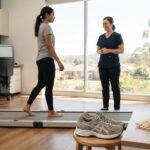
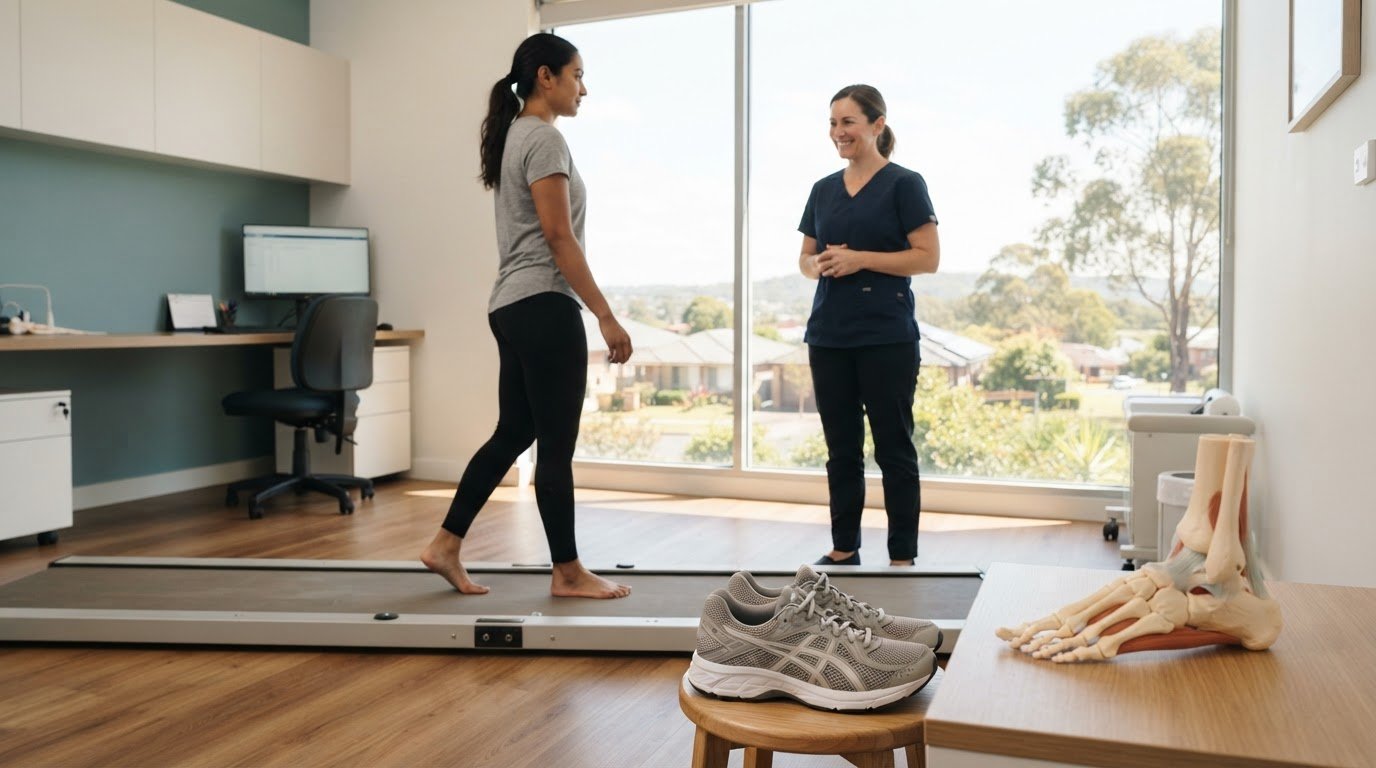
Where appropriate, the podiatrist may observe your feet while you’re standing and watch you walk. Walking is also called gait. They may look at how your feet and legs move through each step and whether anything changes with movement. These observations are considered alongside your account of symptoms, not used alone to label a problem.
Your usual footwear can add useful context. The podiatrist may discuss the type of shoes you wear and any uneven wear you’ve noticed. Wear patterns can inform the conversation, but they don’t diagnose the cause of discomfort by themselves.
How do assessment findings shape the next step?
After gathering information and observing movement, the podiatrist discusses the findings with you in plain language. You can ask questions and explain how your symptoms affect everyday tasks. The aim is to understand which findings may be relevant to your concerns, rather than assuming that every difference needs intervention.
Assessment findings, symptoms and personal goals guide the next step. No single observation decides the plan. Depending on what’s found, the discussion may include practical guidance or whether custom orthotics could be appropriate. The plan should reflect your function and circumstances, with options explained before you decide how to proceed.
For more detail on what a structured assessment can involve, read our biomechanical assessment guide. If movement or posture concerns are affecting your routine, a biomechanical assessment in Narellan can be a useful starting point for a clearer discussion about your feet. Narellan Foot Clinic serves people in Narellan and the wider Sydney region, including Blacktown, Campbelltown, Windsor and Penrith.
Foot posture correction options: how to compare the approaches
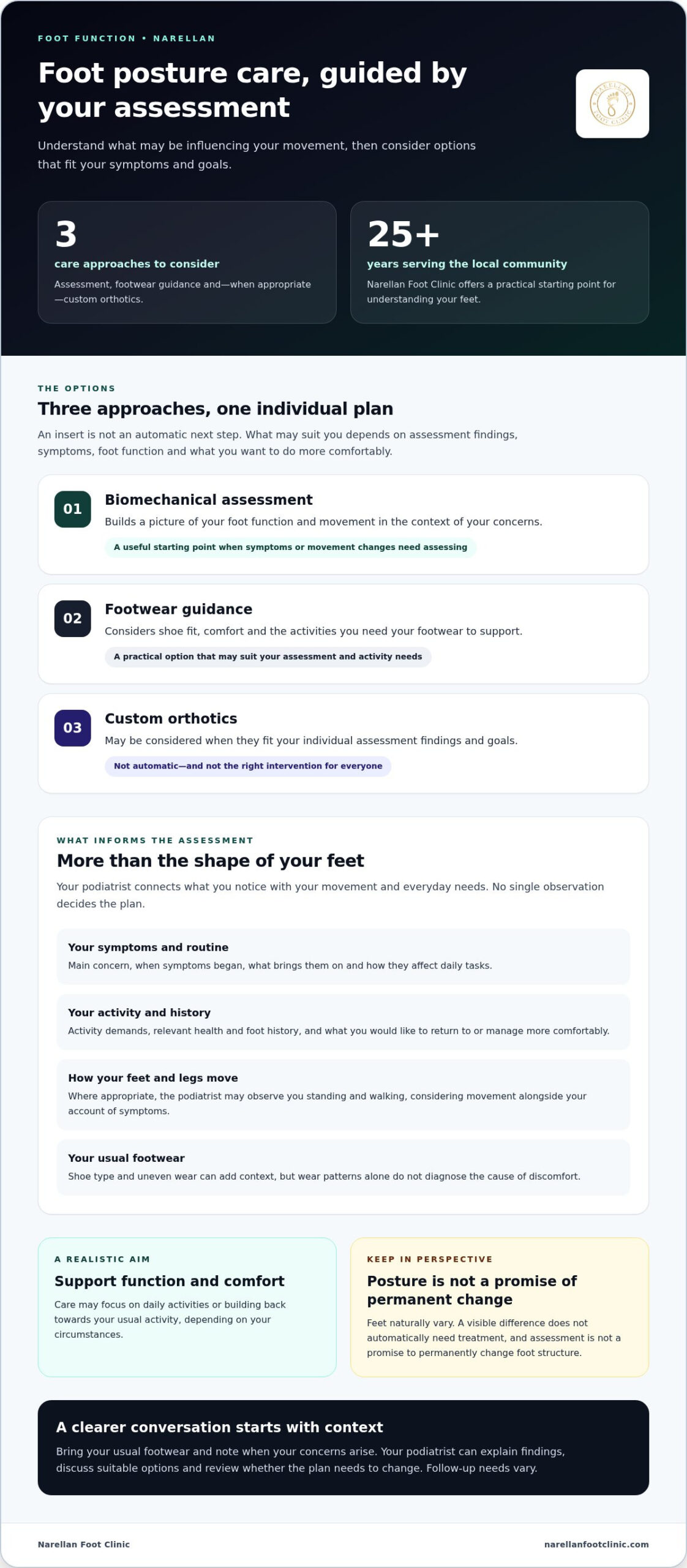
Care doesn’t have to mean choosing an insert straight away. The most suitable option depends on what the assessment shows, your symptoms and what you want to do more comfortably. Some people may benefit from practical footwear guidance. Custom orthotics may be considered when they fit the individual findings and goals.
| Option | Its role | When it may be considered |
|---|---|---|
| Biomechanical assessment | Builds an understanding of foot function and movement in the context of your concerns. | As a starting point when symptoms or movement changes need assessment. |
| Footwear guidance | Considers how shoe fit, comfort and intended activity relate to your needs. | When footwear may be relevant to comfort or the activities you do. |
| Custom orthotics | Provides a supportive device tailored to individual needs. | When assessment findings indicate they may be appropriate as part of a plan. |
| Other clinician-directed care | May include further advice or care suited to the findings and goals discussed with your podiatrist. | When an individual plan calls for support beyond footwear guidance or orthotics. |
When might footwear guidance or activity changes be considered?
A footwear discussion can consider how shoes fit and feel, as well as whether they suit your usual activities. Your podiatrist may suggest looking at these factors as part of your plan. Any activity adjustments should be individual guidance, not a standard rule for everyone. If discomfort persists or worsens, footwear advice alone shouldn’t replace an assessment.
When might custom orthotics form part of a plan?
Custom orthotics may be considered after your podiatrist has assessed your foot function, symptoms and goals. They’re supportive devices, not a guaranteed cure or a promise to permanently change foot structure. An assessment does not mean you automatically need them. If orthotics are discussed, consider how they’re intended to support comfort and function, and what review may be useful as you use them.
For more detail about what to consider, read the custom orthotics buyer’s guide. For foot posture correction Narellan, comparing options with your assessment findings can help keep the plan focused on what matters to you.
What to expect from foot posture correction care in Narellan
A little preparation can make it easier to explain what’s happening and what you’d like help with. You don’t need to diagnose your foot posture or arrive with a treatment in mind. The assessment gives you and your podiatrist a chance to discuss your concerns and decide on sensible next steps together.
How can you prepare for a podiatry assessment?
Before your appointment, consider noting:
- When discomfort occurs and whether it changes during the day.
- Which activities affect it, such as walking, standing or exercise.
- What you hope to return to or manage more comfortably.
- Any footwear you regularly wear that may be relevant to your concern.
Bring your usual shoes if they’re part of the issue or you’d like to discuss their fit and comfort. A few notes on your symptoms can help you describe patterns you might otherwise forget. There’s no need to interpret your foot shape in advance. The podiatrist will consider your concerns as part of the assessment.
How are progress and next steps discussed?
Your podiatrist can explain the assessment findings in plain language and talk through options that relate to your symptoms, everyday function and agreed goals. Follow-up depends on the plan and how you respond, so there’s no single schedule that applies to everyone. If your needs or progress change, the care plan can be reviewed and adjusted with you.
Progress can be discussed in practical terms, such as whether a daily activity feels more manageable or whether a concern continues to affect your routine. These conversations help you understand what the plan is intended to support and whether another step is appropriate.
For eligible patients, Medicare claims may be facilitated where applicable, such as under a relevant Chronic Disease Management plan. Eligibility requirements apply, and Medicare doesn’t cover every podiatry service for every person. On-the-spot private health fund claims are available through HICAPS, subject to your cover and fund rules.
If you’re considering foot posture correction Narellan, a biomechanical assessment can provide a clear starting point for discussing your movement and goals. Book a biomechanical assessment with Narellan Foot Clinic, serving the local community for more than 25 years.
Book foot posture correction with Narellan Foot Clinic
If discomfort, changes in the way you move or questions about your foot posture are affecting your routine, a biomechanical assessment is a practical place to start. It helps build an individual picture of your foot function, symptoms and priorities before care options are discussed. Recommendations can then follow your needs rather than starting with a one-size-fits-all product.
Why begin with an individual biomechanical assessment?
A focused assessment gives you an opportunity to explain what you’ve noticed and what you’d like to do more comfortably. The podiatrist can consider this alongside relevant history and movement findings, then talk you through what they may mean. You’ll have a clearer basis for deciding on next steps, whether that involves guidance or another option suited to your circumstances.
Custom orthotics may be considered if they’re appropriate to the assessment findings and your goals. They aren’t an automatic outcome of noticing a difference in foot posture. If you’d like to understand this option in more depth, read the custom orthotics guide.
Take the next step with a local podiatry team
A podiatrist can help you explore foot posture concerns if you’re experiencing discomfort, noticing a change in movement or unsure whether what you see is relevant to how your feet feel. You don’t need to arrive with a diagnosis or a preferred treatment. The assessment is a chance to discuss your concerns, understand the findings and consider a plan that reflects your needs.
Narellan Foot Clinic has served the local community for more than 25 years. The clinic offers biomechanical assessments and custom orthotics, with your assessment and goals central to the discussion. If you’re in Narellan or nearby Sydney communities such as Blacktown, Campbelltown, Windsor or Penrith, book an appointment with Narellan Foot Clinic to discuss a practical first step towards understanding your foot function.
Take a considered first step towards comfortable movement
Foot posture can be part of the picture, but appearance alone doesn’t explain discomfort or changes in how you move. A biomechanical assessment helps a podiatrist consider your foot function, symptoms and goals before discussing suitable options. Custom orthotics may be included when appropriate, but they aren’t an automatic outcome.
If you’re exploring foot posture correction Narellan, Narellan Foot Clinic offers biomechanical assessments and custom orthotics, with more than 25 years serving the local community. On-the-spot health fund claims are available through HICAPS, subject to your fund and cover.
You don’t need to know what treatment you need before taking the next step. Start with a conversation about what you’ve noticed and what you’d like to do more comfortably. Book an appointment with Narellan Foot Clinic to discuss your concerns and explore a plan that suits your needs.
Frequently Asked Questions
Can a podiatrist correct my foot posture?
A podiatrist can assess your foot function and discuss ways to support movement and comfort, but “correction” doesn’t always mean permanently changing foot structure. Recommendations depend on your symptoms, assessment findings and goals. A biomechanical assessment may consider how your feet move and whether posture is relevant to your concerns. The aim is an individual plan, not making every foot look or move exactly the same.
Do I need custom orthotics to improve my foot posture?
No, custom orthotics aren’t automatically needed just because your feet have a particular shape or posture. A podiatrist may consider them if they’re appropriate to your assessment findings and goals. Other guidance may be more relevant, depending on your circumstances. If orthotics are discussed, ask how they’re intended to support your comfort or function and whether follow-up or review may form part of the plan.
What happens during a foot posture assessment in Narellan?
A foot posture assessment in Narellan may include a conversation about your symptoms, relevant history, footwear and activity goals. The podiatrist may observe your standing posture and walking where appropriate, then discuss what the findings could mean in plain language. This structured process helps relate movement observations to your concerns rather than drawing conclusions from foot shape alone. Bring usual footwear if it’s relevant to what you’d like to discuss.
Can flat feet cause foot or leg pain?
Flat feet may be one factor associated with discomfort, but they don’t automatically cause pain. Foot or leg symptoms can have different contributing factors, so foot shape alone can’t identify the cause. If pain affects walking, standing or your usual activities, a podiatrist can assess your symptoms and movement in context. This helps determine whether foot posture is relevant and what next steps may suit your needs.
How long does foot posture correction take?
There isn’t one timeline that applies to everyone. The time involved depends on your assessment findings, the options agreed with your podiatrist and how your needs or symptoms respond. A plan may include review if that’s considered appropriate, but follow-up timing varies by individual. Your podiatrist can discuss what to monitor and when to revisit the plan, without promising a particular result or timeframe.
Is foot posture correction suitable if I do not have pain?
You don’t necessarily need treatment just because you notice a difference in your foot posture. If you have questions about movement, footwear or activity, an assessment can help clarify whether the variation is relevant to your goals. The discussion can focus on function and what you’d like to do, rather than changing foot shape for its own sake. Any care options should reflect your individual findings and circumstances.
Can Medicare or private health insurance cover a podiatry assessment?
Some patients may be eligible for a Medicare rebate for podiatry under a Chronic Disease Management plan, subject to the relevant eligibility requirements and referral arrangements. Medicare doesn’t cover every podiatry appointment for everyone. Private health fund rebates depend on your policy and annual limits. Narellan Foot Clinic offers on-the-spot health fund claims through HICAPS. If you’re in Narellan or nearby Sydney areas such as Blacktown, Campbelltown, Windsor or Penrith, check your eligibility and cover details before your appointment.