A sudden foot cramp can jolt you awake, interrupt a workout or make a few steps feel impossible. When pain strikes, it’s natural to wonder whether stretching or massage will help, and what you can do to reduce the chance of another cramp. Practical foot cramps relief starts with gently easing the cramped muscle, then looking at factors that may be contributing.
If cramps keep disrupting your sleep or daily routine, you’re not alone in wanting clear, safe advice. This guide explains what to try during an active cramp, how factors such as muscle fatigue, footwear and hydration may play a part, and when recurring symptoms are worth discussing with a health professional. These factors can offer useful clues, but they can’t confirm a cause on their own.
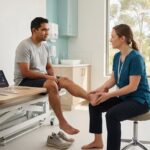
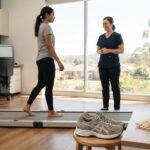
A podiatrist’s assessment can also consider cramps alongside your foot and lower-limb movement. At Narellan Foot Clinic, biomechanical assessment provides a closer look at how you move and helps guide individual care, without promising a quick cure.
Key Takeaways
- For foot cramps relief, pause and gently lengthen the cramped area rather than forcing movement.
- Notice when cramps occur and what activity, footwear or daily habits may be contributing.
- Gentle massage, relaxed movement or warmth may ease discomfort, but won’t explain every cause.
- Build activity gradually and choose comfortable footwear suited to what you’re doing.
- Seek professional advice if cramps keep returning, worsen or come with swelling, weakness, numbness or ongoing pain.
Foot cramp relief: what to do when a cramp strikes
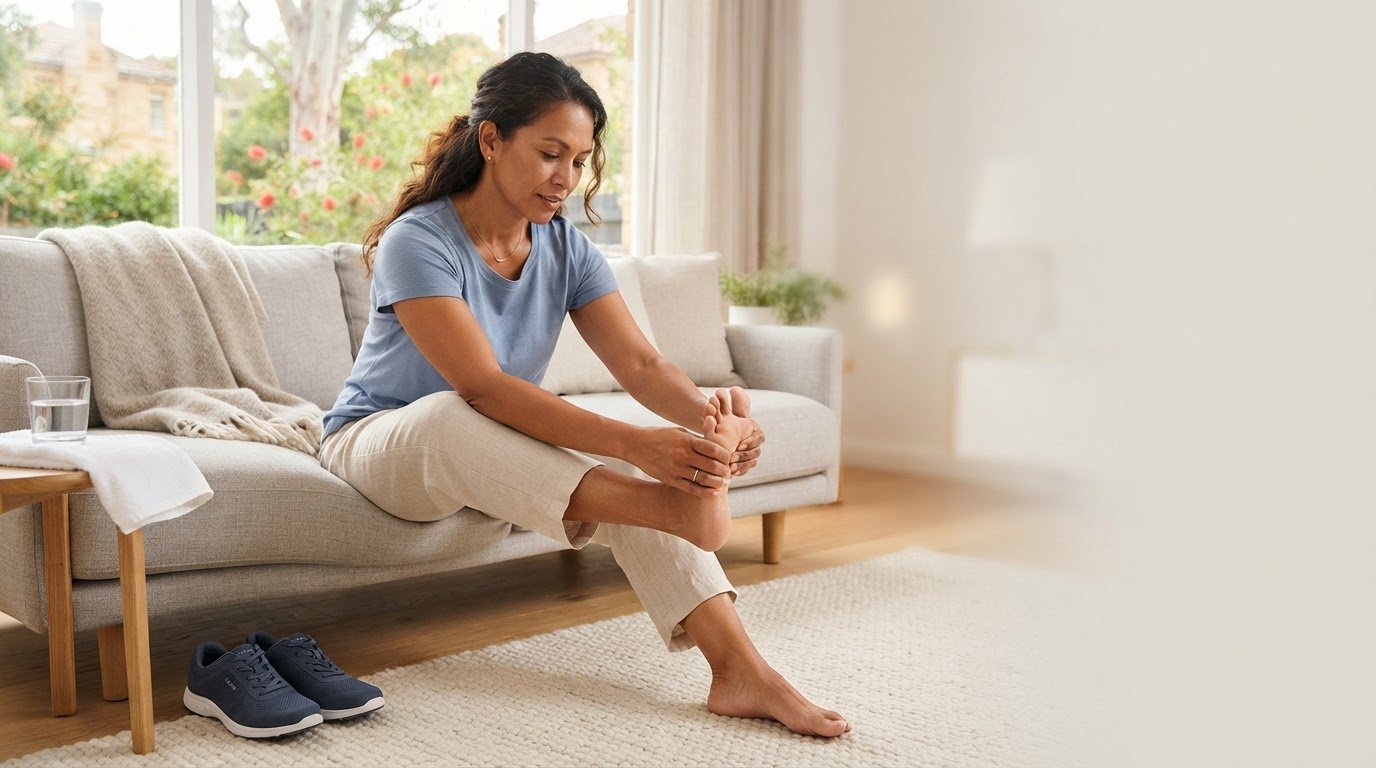
A foot cramp can come on suddenly, tightening the muscles and making even a small movement uncomfortable. If one catches you during exercise, while standing or in bed, pause rather than pushing through. A calm, gentle response may help the muscle ease, though it won’t address every possible cause.
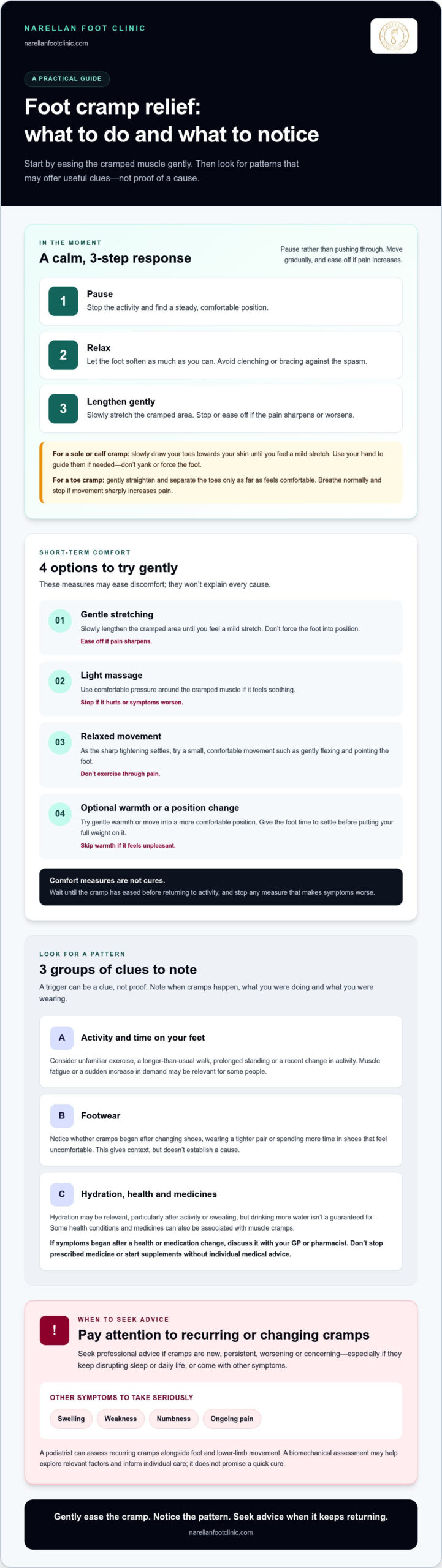
A simple sequence to try:
- Pause: Stop the activity and find a steady, comfortable position.
- Relax: Let the foot soften as much as you can. Avoid clenching or bracing against the spasm.
- Lengthen gently: Slowly stretch the cramped area, easing off if the pain increases.
This is a practical starting point for foot cramps relief, not a guarantee. For a general overview of muscle cramps and common relief measures, see Skeletal muscle cramp.
How to stretch a cramped foot gently
If the sole or calf feels cramped, slowly draw your toes towards your shin until you feel a mild stretch. Use your hand to guide the toes if needed, but don’t yank or force the foot into position. For a toe cramp, gently straighten and separate the toes only as far as feels comfortable.
Hold the mild stretch while breathing normally, then ease off if the pain worsens. The aim is to lengthen the area gradually, not to overcome the cramp by force. Stop if the movement sharply increases pain.
When movement, massage or warmth may help
Once the cramp begins to ease, try a small, relaxed movement, such as gently flexing and pointing the foot. Wait until the sharp tightening has settled before returning to your activity, and don’t exercise through pain. Lightly massaging the cramped area may feel soothing, but keep pressure comfortable. Stop if massage hurts or makes symptoms worse.
A comfortable change of position or gentle warmth may also help you feel more at ease. These are optional comfort measures, not cures. There’s no need to apply heat if it feels unpleasant. Give the foot time to settle before putting your full weight on it or resuming exercise.
Why foot cramps happen: common triggers and contributing factors
A muscle cramp is an involuntary tightening that can cause sudden discomfort and make the foot difficult to move. An isolated cramp may pass without an obvious explanation. If cramps recur, disturb your sleep or limit activity, look for patterns rather than assuming one episode reveals the cause.
A possible trigger is a clue, not proof of the cause. Several factors may contribute, and symptoms alone can’t confirm what’s behind them. Noticing when cramps occur can help you describe the pattern if you seek advice. Harvard Health Publishing offers further general guidance on relief for cramps, including strategies for managing and preventing muscle cramps.
Activity, footwear and time spent on your feet
Consider whether a cramp followed unfamiliar exercise, a longer-than-usual walk, prolonged standing or a recent change in your activity. Muscle fatigue or a sudden increase in demand may be relevant for some people, but timing alone doesn’t establish a cause.
Footwear is another detail worth tracking. Note whether cramps began after changing shoes, wearing a tighter pair or spending more time in shoes that feel uncomfortable. That doesn’t mean footwear or foot posture is necessarily responsible, but it gives useful context. A brief note of when cramps happen, what you were doing and what you were wearing can help reveal a repeat pattern.
Hydration, health conditions and medicines
Hydration may be relevant, particularly if you’ve been active or sweating, but drinking more water isn’t a guaranteed fix for every cramp. Some health conditions and medicines can also be associated with muscle cramps. If symptoms began after a change in your health or medication, discuss this with your GP or pharmacist. Don’t stop prescribed medicine or start supplements without individual medical advice.
One short-lived cramp is different from a pattern that’s becoming frequent or affecting everyday life. Seek advice if cramps are new, persistent, worsening or concerning, especially if you notice other symptoms. A podiatrist can assess recurring cramps in the context of foot and lower-limb movement. If activity-related patterns keep returning, a biomechanical assessment of your foot movement may help explore relevant factors and inform individual care.
Foot cramps relief options: what may help and what to avoid
Gentle self-care may ease discomfort during or just after a cramp, but it can’t identify or treat every underlying cause. Choose a comfortable measure, try it gradually and stop if pain or other symptoms worsen. The right approach may vary depending on when cramps occur and whether they keep returning. For more general information, Healthline outlines foot cramp causes and treatment.
| Approach | How to try it | When to stop |
|---|---|---|
| Gentle stretching | Slowly lengthen the cramped area until you feel a mild stretch. | Ease off if pain sharpens; don’t force the foot into position. |
| Light massage | Use gentle pressure around the cramped muscle if it feels soothing. | Stop if massage is painful or symptoms worsen. |
| Relaxed movement | As the cramp settles, try small, comfortable foot movements. | Don’t exercise through pain or continue if movement aggravates it. |
| Optional warmth | Try gentle warmth for comfort, or change to a more comfortable position. | Stop if warmth feels unpleasant or discomfort increases. |
Which home measures are reasonable to try?
These options are for short-term comfort, not a test of what caused the cramp. Avoid forceful stretching, painful massage and remedies that promise a guaranteed cure. If swelling or other symptoms appear or worsen, stop self-care and seek medical advice. For recurring cramps, easing the sensation each time isn’t the whole answer. Take note of the circumstances around each episode.
Why there is no one-size-fits-all cramp remedy
A cramp after activity may need a different response from one that repeatedly interrupts sleep. Hydration can matter for some people, but drinking water won’t reliably prevent every cramp. Supplements aren’t a universal solution either: a 2020 Cochrane review found magnesium unlikely to provide meaningful relief for common cramps in older adults. Don’t start supplements or change medicines without individual medical advice.
Keep a simple record of when each cramp happens, what you were doing beforehand and what, if anything, eased it. Note whether episodes are becoming more frequent or affecting your usual activities. This information can help guide a conversation with a health professional, particularly if symptoms persist or change. Practical foot cramps relief can help in the moment, while recurring patterns may need closer attention.
How to reduce recurring foot cramps: a practical routine
When cramps keep returning, short-term relief is only part of the picture. A simple routine can help you spot patterns and make sensible adjustments without assuming you’ve found the cause. Track episodes, increase activity gradually, choose comfortable footwear for the task and respond early if your feet start to feel overworked.
Keep a useful foot-cramp diary
A brief note after each episode can make details easier to recognise and explain during a clinical appointment. Record where and how long the cramp lasted, what you were doing beforehand and whether it interrupted sleep or activity. Add any changes in footwear, routine or health, plus other symptoms you noticed.
Quick tracking checklist: note the timing, activity, footwear and any associated symptoms. You can also write down what seemed to ease the cramp, while remembering that one observation doesn’t confirm a cause.
Adjust activity and daily habits gradually
If cramps tend to follow unfamiliar exercise or a busy day on your feet, build activity up in manageable steps and take breaks when your feet feel tired. Choose footwear that feels comfortable and suits the activity, but don’t assume shoes or foot posture explain every cramp. If a cramp starts, ease off rather than pushing through sharp pain.
Maintain your usual hydration habits, particularly around activity, but avoid relying on a fixed fluid target as a universal prevention plan. Individual needs can vary. If cramps are frequent or worsening, use your notes to discuss the pattern with a health professional rather than making major changes based on guesswork.
When episodes seem connected to how you walk, stand or load your feet, a biomechanical assessment guide explains how foot and lower-limb movement may be considered during an assessment. If recurring cramps are affecting your activity, book a biomechanical assessment to explore your movement patterns and discuss individual care. An assessment can help inform next steps, but no single adjustment can be promised to prevent every cramp.
When recurring foot cramps need professional assessment
An occasional cramp that settles may not need further assessment. Arrange professional advice if cramps are frequent, persistent, worsening or disrupting sleep, exercise or everyday activities. Seek prompt medical advice if a cramp comes with swelling, redness, weakness, numbness or significant ongoing pain. These symptoms don’t point to one specific cause, but they deserve attention rather than repeated attempts at foot cramps relief alone.
What a podiatry assessment may consider
A podiatrist may ask when the cramps started, how often they occur, what you were doing beforehand and whether anything has changed in your health or routine. Footwear and movement patterns can also provide useful context. A biomechanical assessment examines how your feet and lower limbs move, helping build a clearer picture of factors relevant to your symptoms. It can inform individual care, but doesn’t guarantee a particular cause or cure.
If cramps occur alongside heel pain, this heel pain treatment guidance offers related information to discuss as part of your symptoms.
Foot cramps, diabetes and other health concerns
If you have diabetes, take new or changing foot symptoms seriously and discuss them with an appropriate health professional. Cramps alone don’t establish that diabetes is the cause. A broader review of foot health may be relevant; see the diabetic foot assessment guide for more about this aspect of care.
Bring any notes you’ve kept about when cramps happen, what activity preceded them and other symptoms. Those details can help an assessment focus on your experience rather than guesswork. If cramps keep returning or are affecting your activities, you’re welcome to book an assessment at Narellan Foot Clinic. A considered look at your symptoms and movement can help guide appropriate next steps, without promising that one treatment will eliminate cramps.
Take the next step towards more comfortable movement
When a cramp strikes, pause and gently stretch rather than forcing the foot. To reduce repeat interruptions, pay attention to patterns in your activity, footwear and symptoms. Occasional cramps may settle with simple comfort measures, but frequent, worsening or disruptive episodes deserve a closer look.
Keeping a brief record can help you explain when cramps occur and what else you’ve noticed. That context can support an assessment of your foot and lower-limb movement, without assuming a single cause or promising a particular outcome. Biomechanical assessment is a primary service at Narellan Foot Clinic, which has served the Narellan community for more than 25 years.
If cramps keep returning or are affecting your usual activities, take a considered next step and book an assessment with Narellan Foot Clinic. With a clearer picture of your symptoms and movement, you can discuss suitable options and move forward with greater confidence.
Frequently Asked Questions
How do you stop a foot cramp quickly?
Pause what you’re doing, let the foot relax and gently lengthen the cramped area. If the sole or calf is affected, slowly draw your toes towards your shin; don’t force the stretch. Once the cramp starts to ease, try small, comfortable movements. Light massage or gentle warmth may feel soothing, but stop if pain worsens. These steps may help with foot cramps relief, but they won’t address every possible cause.
What is the best stretch for a foot cramp?
For a cramp in the sole or calf, slowly draw your toes towards your shin until you feel a mild stretch. Hold it while breathing normally, then ease off. If your toes are cramped, gently straighten and separate them only as far as feels comfortable. There isn’t one stretch that suits every cramp, so avoid sharp or forceful movements and stop if stretching makes the pain worse.
Can dehydration cause foot cramps?
Dehydration may contribute to cramps for some people, particularly after sweating or physical activity, but it isn’t the only possible factor. Muscle fatigue, changes in activity, health conditions and some medicines may also be relevant. Maintain your usual hydration habits, but don’t assume extra water will prevent every cramp or use a fixed fluid target without individual guidance. If cramps are new, frequent or concerning, discuss them with a health professional.
Why do I keep getting cramps in my feet at night?
Night-time foot cramps can have several possible contributors, and the timing alone doesn’t reveal the cause. Consider whether episodes follow a particularly active day, prolonged time on your feet or a change in routine, footwear or health. Keep a brief record of when cramps occur and whether they disrupt sleep. If they happen frequently, persist or affect your daily activities, a health professional can help assess the pattern.
Are foot cramps a sign of a serious problem?
An occasional cramp that settles doesn’t necessarily mean there’s a serious health problem, but repeated symptoms deserve attention if they’re worsening or interfering with daily life. Seek prompt medical advice if cramps occur with swelling, redness, weakness, numbness or significant ongoing pain. These symptoms can have different explanations, so avoid self-diagnosing. A clinician can consider your symptoms and health history and advise whether further assessment is appropriate.
When should I see a podiatrist about foot cramps?
Consider seeing a podiatrist if cramps are frequent, persistent, worsening or disrupting sleep, exercise or everyday activities. An assessment may include your symptom history and relevant foot and lower-limb movement patterns. Narellan Foot Clinic provides biomechanical assessments and has served the Narellan community for more than 25 years. If you’re in NSW, including Sydney, Blacktown, Campbelltown, Windsor or Penrith, seek prompt medical advice for concerning associated symptoms.
Can footwear or exercise cause foot cramps?
Unfamiliar exercise, a sudden increase in activity, prolonged standing or muscle fatigue may contribute to cramps for some people. Tight or uncomfortable footwear may also be relevant, but neither shoes nor foot posture can be assumed to be the cause. Notice whether cramps follow a change in activity or footwear, and choose comfortable shoes suited to what you’re doing. Build exercise gradually and ease off if a movement causes sharp pain.