A bunion is more than a bump: the big toe joint shifts out of alignment, which can cause pain, swelling, redness and difficulty moving the toe. Bunion treatment in Narellan may focus on easing symptoms with supportive footwear, cushioning and custom orthotics, but non-surgical care cannot reverse the deformity. Surgery may be considered if pain continues to limit daily activities despite conservative treatment.
If the area is sore or your shoes are becoming uncomfortable, it’s understandable to want relief without rushing into surgery. The right approach depends on how the bunion affects your comfort, movement and everyday life.
This guide explains what bunions are, which practical measures may ease pressure and discomfort, and how orthotics may support your feet. It also covers signs that warrant a podiatry assessment and when surgery may enter the conversation, so you can understand your options and what to expect next.
Key Takeaways
- A bunion can cause soreness, swelling and restricted big-toe movement; notice how it affects walking and footwear.
- Roomier shoes and pressure-relieving modifications may ease discomfort, but they don’t realign the bunion.
- Custom orthotics may support foot function and help reduce pressure as part of a personalised treatment approach.
- Non-surgical options can help manage symptoms, while surgery may be considered when pain continues to limit daily activities.
- A biomechanical assessment can help identify how your foot moves and which conservative options may suit your needs.
Do non-surgical bunion treatments work?
Conservative care can ease bunion symptoms and support comfortable movement, but it cannot reverse the joint deformity. Changes in pain, swelling and toe movement can help guide your next steps.
Managing Bunion Symptoms
A bunion, also called hallux valgus, develops as the big toe shifts towards the smaller toes. The joint may become sore, red or swollen, with pain that comes and goes or persists. For an acutely painful bunion, applying ice for 15 minutes, two to three times a day, may soothe discomfort and swelling.
Gentle stretching and foot exercises can help strengthen foot muscles and maintain flexibility. Toe spacers or splints may ease pressure, but they cannot reposition bones once a bunion has formed.
Medicare may rebate up to five allied health visits per calendar year, including podiatry, for eligible Australians with a chronic condition. NDIS funding depends on the participant’s plan and disability-related support needs.
Effects on Walking and Possible Complications
Pain at the big toe joint can make each step uncomfortable, especially when footwear presses against the bunion. Restricted toe movement may also affect how comfortably you push off while walking. Notice whether soreness changes your stride or makes everyday activities, such as walking to the shops, harder.
When toes overlap, friction and pressure can contribute to corns or calluses. Redness, swelling or increasing difficulty walking are useful changes to mention during a podiatry assessment. Tracking where pain occurs and which shoes trigger it gives a clearer picture of how it affects daily movement.
Hallux Valgus and Toe Mobility
Hallux valgus describes the alignment change at the first metatarsophalangeal joint, where the big toe meets the foot. A first toe drifting over 15 degrees relative to its supporting metatarsal bone is described as a sign of a bunion. The angle alone doesn’t describe how much pain or stiffness someone experiences.
Compare toe movement between your feet while standing or sitting. If the affected big toe feels stiffer, or bending it increases discomfort, note the change. Gentle exercises may support flexibility, but they will not straighten the joint.
What Conservative Care Can Achieve
Conservative treatment focuses on symptoms, pressure and function, rather than removing the bunion. Roomier footwear, cushioning and orthotics can reduce rubbing around the joint. Their practical purpose is to improve comfort when walking and help manage pressure on irritated tissue.
Keep expectations focused on relief and mobility. A spacer might reduce contact between toes, while suitable shoes may lessen pressure over the bunion. Neither corrects the underlying deformity, so persistent pain or worsening movement deserves attention.
When to Seek Podiatry Advice
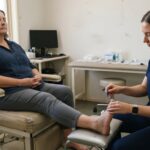
Arrange a podiatry assessment if toe or foot pain persists, a visible bunion becomes troublesome, movement decreases or suitable shoes are difficult to find. These signs help a podiatrist assess how the joint and foot function affect your walking.
Bring practical details: when discomfort starts, which footwear aggravates it, and whether swelling or redness appears. These examples help focus the assessment on your symptoms and everyday mobility.
Are custom orthotics effective for bunion relief?
Custom orthotics may help manage bunion discomfort by supporting foot function and reducing pressure. They do not correct the toe’s alignment, so footwear and daily comfort still matter.
Start with shoes that leave room around the toes. A wide toe box reduces contact with the bunion, while good arch support can help accommodate foot alignment. Choose bunion-friendly footwear with heels under 25 mm. If a shoe rubs against the joint or squeezes the toes, it may increase pressure during walking.
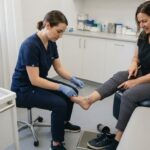
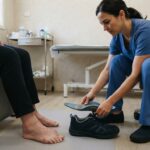
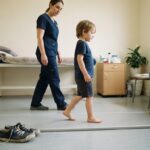
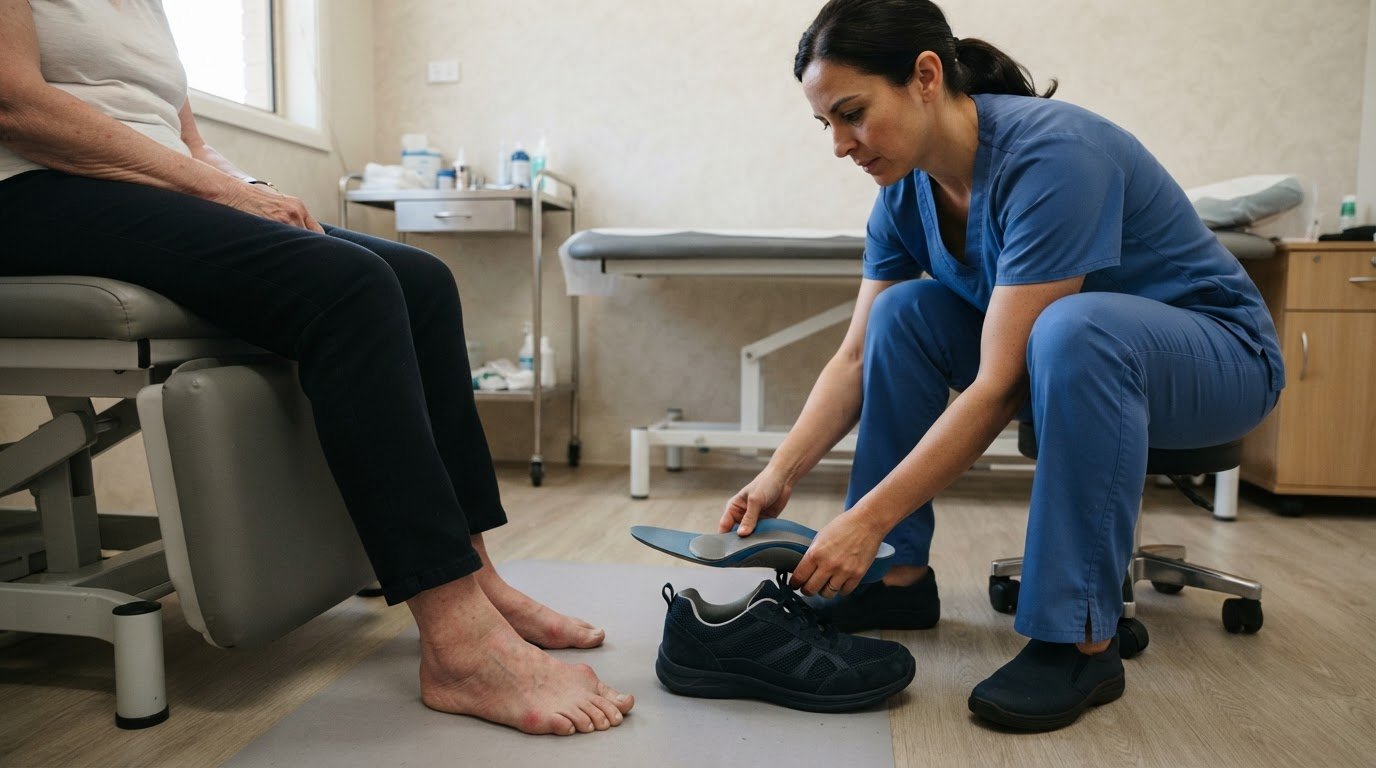
Custom orthotics can form part of conservative care when foot mechanics contribute to pressure around the big toe joint. A biomechanical assessment considers how your foot moves and where load falls when standing and walking. This helps guide whether orthotic support may suit your needs, rather than relying on a generic insert.
Orthotics, cushioning pads and toe spacers may ease discomfort by changing pressure or limiting rubbing. Their role is symptom management, not straightening the bunion. Check whether your usual shoes still fit comfortably with orthotics in place. If an insert makes footwear feel tighter, the added pressure may reduce comfort.
For people with diabetes, well-fitting footwear matters because rubbing or concentrated pressure can contribute to wounds. Check the inside of your shoes for rough seams and make sure your toes aren’t crowded. A diabetic foot assessment can help identify pressure concerns and support suitable footwear choices when a bunion is present.
Simple shoe changes can help: choose a wider style, use cushioning over a rubbing area, or replace footwear that presses on the joint. Toe spacers may create separation between toes, but braces and splints cannot reposition bones once a bunion has formed. These options aim to reduce discomfort, not remove the underlying deformity.
After bunion surgery, recovery affects footwear choices. Most patients return to normal footwear 3 to 4 weeks after surgery, although healing timelines vary. A post-operative shoe and large dressing can affect driving, which patients are advised to avoid while wearing them, typically for 2 to 3 weeks after surgery. The foot needs suitable protection as activity increases.
Returning to impact exercise is a separate step from wearing everyday shoes. A full return to impact exercises is expected around 3 months after surgery. Swelling and comfort can influence how footwear feels during recovery, so follow the post-operative plan rather than forcing a return to tight shoes. For tailored support, explore custom orthotics for bunion relief.
When Is Surgery Actually Needed?
Bunion surgery may be considered when pain significantly affects daily activities, footwear or walking despite conservative care. The decision is based on function and symptoms, not the bump’s appearance alone.
To compare local podiatrists and orthopaedic surgeons, look at how they assess symptoms, explain non-surgical options, discuss procedure choices and outline recovery and risks. A useful consultation connects the proposed treatment to your foot pain, daily demands and examination findings.
The cost of bunion surgery in Narellan or the Camden and Macarthur region depends on the case and is provided after a quote request; factors include the procedure, facility, anaesthesia and follow-up care.
Before surgery is considered, conservative treatment should be tried consistently. The key measure is whether symptoms remain limiting after a sustained trial of appropriate care.
A surgical consultation may be appropriate if pain persists, daily activities remain difficult, or the deformity worsens despite conservative treatment. The discussion should cover surgery’s aim of correcting the deformity, as well as possible complications. These include infection, unexpected pain, anaesthetic reactions and deep vein thrombosis. Other risks include bone slippage after correction, screw or pin movement, excess scarring and wound contractures.
Minimally invasive, or keyhole, bunion surgery may suit selected cases. Well-established or severe bunions typically require a small open incision. The method depends on the deformity and the correction needed, rather than a preference for a smaller incision alone.
Recovery involves more than the initial healing period. Bone healing takes approximately six weeks, while recovery after bunion surgery is described as six to eight weeks. Swelling may take up to six months to resolve, and full recovery can take up to six months. Some patients wear a protective boot or cast while the foot heals.
Tailor’s bunion surgery has its own recovery considerations. Special shoes are worn when walking for four to six weeks after surgery. Return to work may be possible from two to six weeks, depending on standing and walking demands. For this procedure, reported satisfaction is 90-95 per cent, though possible risks still need discussion.
Ask the surgeon to explain the planned correction, recovery steps, expected activity limits and how complications would be managed. Bunion surgery aims to correct the deformity, but recurrence is possible. A clear discussion helps you weigh potential symptom relief against recovery demands and surgical risks.
Non-surgical bunion treatment options
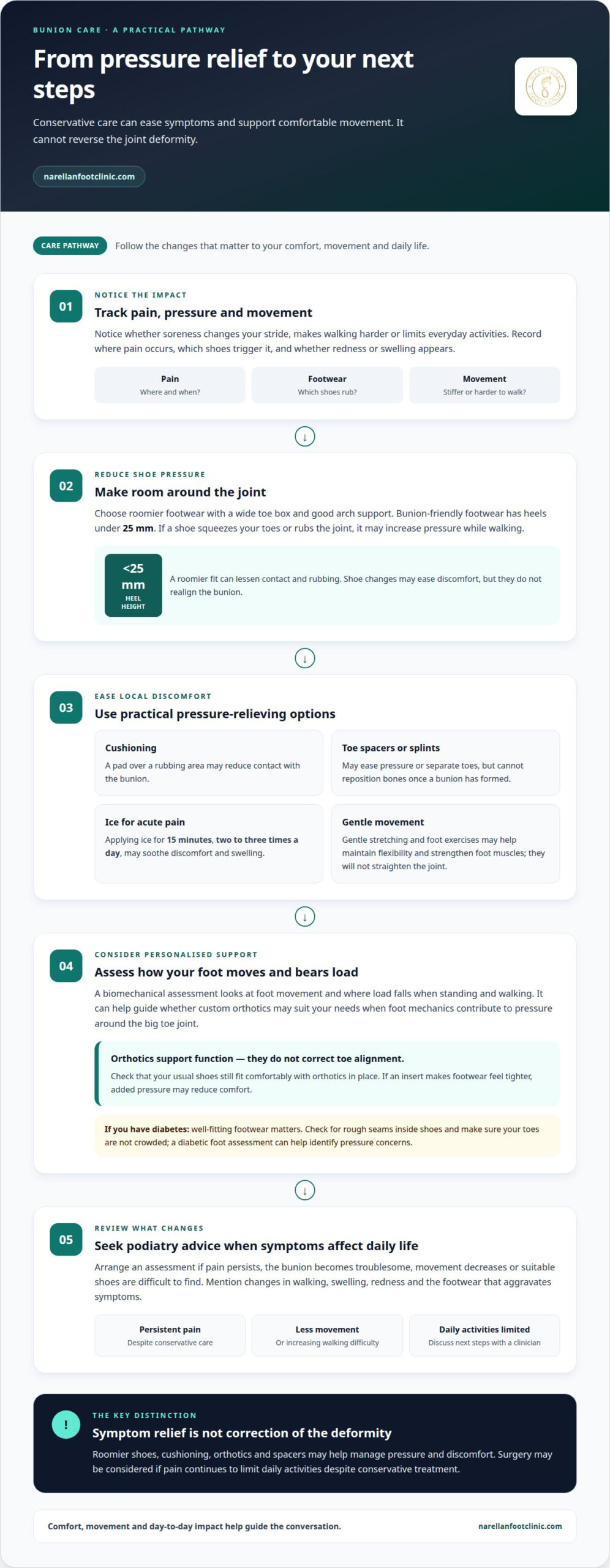
Non-surgical measures aim to reduce pressure, ease pain and support foot function. They cannot correct bone alignment once a bunion has formed, but a planned conservative approach can help manage symptoms and guide decisions about further care.
Match each measure to the problem it addresses. Roomier shoes reduce compression, cushioning can limit rubbing, and orthotics can support foot mechanics. Toe spacers or splints may ease pressure between toes, but they do not reposition bones. Track which changes improve comfort when walking, rather than relying on the bunion’s appearance alone.
Foot exercises and stretching can strengthen muscles and maintain flexibility. Five minutes of bunion exercises in the morning and evening each day. Gentle, consistent movement is more practical than forcing a stiff or painful toe. A podiatry assessment can help identify mobility limits and select measures suited to your foot function.
Strapping can support the foot and reduce stress around the affected joint. Foot mobilisation therapy focuses on joint mobility by easing restrictions. Other approaches described for bunion symptoms include steroid injections and MLS laser therapy, intended to reduce inflammation and support tissue repair. These options address symptoms; none should be confused with surgical correction.
Conservative treatment has limits. It can help relieve pain and improve function, but it won’t remove the deformity. Consistently slowing progression typically takes 3-6 months of treatment. If symptoms persist, the next step is to review how pain affects walking, footwear and daily activities, then discuss whether continued conservative care remains appropriate.
A GP referral is generally not needed to book a private podiatry appointment. Referral and funding arrangements for a foot and ankle surgeon depend on the specialist service and care pathway, so clarify those requirements when arranging the consultation.
Surgical treatment may be considered when conservative measures fail to relieve symptoms or the deformity worsens. The operation may involve realigning bone, removing excess bone and addressing soft-tissue concerns. Minimally invasive, or keyhole, surgery suits selected cases; established or severe bunions typically need a small open incision. The method depends on the deformity and correction required.
When surgery is necessary, a podiatrist may refer you to an orthopaedic surgeon. The consultation should explain the proposed correction, risks and recovery plan. Bone healing takes approximately six weeks, and a protective boot or cast may be needed while the foot heals. Ask how the procedure could affect work, walking and footwear before deciding on surgery.
Keep a short record of symptoms during each stage of care: note what triggers pain, which measures help, and whether movement changes. These details give your clinic a practical basis for reviewing conservative treatment and discussing whether surgical referral is the next step.
Risks and complications of untreated bunions
A bunion is a change in alignment at the big toe joint, not simply a prominent bump. As hallux valgus develops, the big toe may angle towards its neighbours. The deformity can remain manageable, but increasing pain, stiffness or difficulty finding shoes can affect everyday movement. Leaving symptoms unassessed may mean ongoing pressure and rubbing remain unaddressed.
Watch for changes that affect comfort and function. For example, note whether the joint becomes red or swollen after walking, or whether bending the big toe feels restricted. Pain may be intermittent or persistent. These details help distinguish a visible bunion with little impact from a toe joint that is becoming painful during ordinary activities.
Overlapping toes can rub against each other, increasing the chance of corns or calluses. A corn may develop where footwear presses on a toe; a callus can form where repeated friction loads the skin. Check for thickened skin, tenderness or new rubbing between toes. These signs indicate pressure points that may need attention, even if the bunion itself looks unchanged.
Footwear can add to discomfort. A narrow toe box may press directly against the bunion, while swelling can make a previously comfortable shoe feel tight. If you start avoiding a particular pair, shortening walks or changing how you step to reduce pain, record the change. It shows how the condition affects daily function, not just appearance.
Progression varies, so a bunion does not automatically lead to severe complications. However, the deformity can worsen despite conservative care, and worsening alignment may make footwear and toe movement more troublesome. Non-surgical measures can ease pressure, but they cannot correct bone position. The practical aim is to identify persistent symptoms early and manage what aggravates them.
Arrange an appointment if pain continues, toe movement becomes more restricted, overlapping develops, or footwear choices keep narrowing. Beforehand, note where discomfort occurs, what activity brings it on and whether redness, swelling, corns or calluses are present. These examples give a podiatry assessment a clearer picture of changing symptoms and pressure points.
Seek timely advice rather than judging urgency by appearance alone. A useful next step is to discuss your bunion symptoms and their effect on walking with a podiatrist. An assessment can help clarify which conservative measures may ease pressure and whether further care should be considered.
If a bunion is affecting your comfort or mobility, arrange a podiatry assessment to discuss your symptoms and practical next steps.
Narellan Foot Clinic: Biomechanical Assessment
Narellan Foot Clinic offers Biomechanical Assessment to help understand how foot movement and mechanics may contribute to bunion-related pressure. If pain affects your walking, toe movement or choice of shoes, an assessment can help clarify suitable conservative options.
Where appropriate, Custom Orthotics can support foot function and help manage pressure during everyday activities. They do not reverse bunion alignment, but may form part of a plan focused on comfort and mobility. Your symptoms, footwear and movement help guide the approach.
If bunion discomfort is affecting daily life, contact Narellan Foot Clinic to discuss an assessment and your next steps.
Take the next step towards comfortable movement
Your next step can be a clearer understanding of what aggravates your bunion and what support may suit your everyday routine. For bunion treatment in Narellan, Narellan Foot Clinic offers a Biomechanical Assessment to examine foot movement, alongside Custom Orthotics as a conservative support option. The clinic also provides Ingrown Toenail Surgery, a separate service for that condition.
Bring practical observations to your appointment, such as which shoes cause rubbing, what activities increase discomfort and how your toe moves. These details help keep the discussion focused on your priorities, whether that means exploring non-surgical care or understanding when a surgical opinion may be appropriate. The aim is to make your choices informed and relevant to daily life.
For a calm, practical discussion about your foot concerns, contact Narellan Foot Clinic. A thoughtful next step can help you move forward with greater confidence and comfort.
Frequently Asked Questions
What Are Bunions?
A bunion is a change in alignment at the joint where the big toe meets the foot. The toe can angle towards the smaller toes, making the joint more prominent. Some people notice shoe rubbing first; others experience soreness or stiffness. A visible bump alone does not show how much the condition affects function, so consider changes in comfort, movement and walking.
Do I have to have an operation?
No, an operation isn’t required for every bunion. Non-surgical care can focus on reducing pressure and managing symptoms, even though it won’t reverse the joint change. For example, someone who can walk comfortably in roomy shoes may choose conservative management. Surgery is generally discussed when ongoing pain or worsening deformity continues to affect daily activities despite appropriate non-surgical care.
How can I prevent bunions from getting worse?
You can reduce avoidable pressure by choosing shoes with a wide toe box and heels under 25 mm. Avoid footwear that pinches the toes, and check whether the big toe has room to move. Regular foot-strengthening and flexibility exercises may support function. These steps can help manage aggravating factors, but they can’t guarantee that a bunion’s alignment will stay unchanged.
Is Minimally Invasive or Keyhole Surgery Appropriate?
Keyhole surgery may suit selected bunions, but it isn’t appropriate for every deformity. The degree of misalignment and correction needed influence the approach. Well-established or severe bunions typically require a small open incision. A surgical assessment considers the joint and symptoms before discussing technique, expected recovery and the risks relevant to the proposed procedure.
Looking for Bunion Correction with Minimal Pain?
Non-surgical options aim to ease symptoms, not correct the bunion’s bone alignment. Surgery aims to correct the deformity, but it involves recovery and potential complications. No approach should be presented as guaranteeing minimal pain. Discuss your priorities, such as comfortable walking or wearing work shoes, during an assessment. This helps frame treatment around function and a realistic recovery plan.
What non-surgical treatments are available for bunions in Narellan?
Non-surgical bunion treatment in Narellan may include accommodating footwear, cushioning, toe spacers, exercises and custom orthotics. A biomechanical assessment can connect foot movement with pressure around the joint and help guide whether orthotic support suits your needs. Narellan Foot Clinic offers Biomechanical Assessment and Custom Orthotics. Bringing the shoes you wear most often can help make the assessment relevant to your everyday comfort.
Which podiatrists and foot clinics in Narellan treat bunions?
Narellan Foot Clinic provides podiatry care relevant to bunion assessment and conservative management, including Biomechanical Assessment and Custom Orthotics. For bunion treatment in Narellan, these services can help assess foot movement and support pressure management. If you’re considering local care, focus on whether the assessment addresses your symptoms, footwear and daily mobility, and helps clarify suitable conservative options.
When is bunion surgery recommended, and what procedures are available near Narellan?
Surgery may be considered when persistent pain, difficulty with daily activities or worsening deformity remains despite conservative care. Procedures can involve bone realignment, removal of excess bone and soft-tissue treatment. Keyhole surgery suits selected cases; more established or severe bunions typically need a small open incision. A surgical consultation can explain which correction fits the deformity, along with recovery demands and risks.