
Choosing running shoes would be easy if every pair did the same thing. But this isn’t the case.
Some shoes are built to soak up impact and make long runs feel less harsh. Some are designed to keep things more stable when your legs start getting tired. Others are lighter, faster and better suited to sessions where pace matters. Then there are the shoes trying to sit somewhere in the middle and do a bit of everything.
Understandably, buyers can get tripped up. A shoe that feels great for an easy 5km can feel terrible once the pace lifts. A shoe that feels brilliant for speed work can feel unforgiving on a slow recovery run. The right choice comes down to how you run and what type of run you’re doing.
Cushioned Running Shoes
If comfort is the priority, cushioned shoes are usually the first place to look.
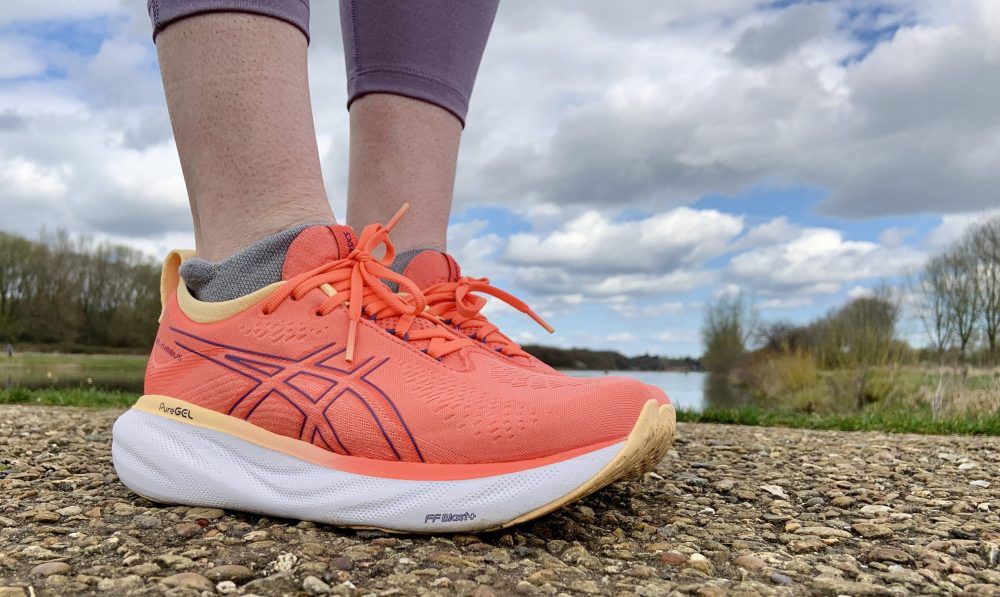
These shoes have more foam underfoot and are built to take the edge off repetitive impact. They tend to suit runners building mileage, newer runners, people returning from injury, or anyone who wants their easy and long runs to feel less jarring.
Popular examples in this category include the Nike Vomero 18, Saucony Triumph 23 and ASICS Gel Nimbus. They all lean toward comfort, but they do it slightly differently.
The Vomero has a softer, smoother feel that suits easy runs and steady mileage. The Triumph is plush without feeling flat, which makes it a good option for runners who still want a bit of life in the shoe. The Nimbus is the one many runners reach for when they want a genuinely protective ride for longer outings.
The obvious upside is that this category can make running feel easier on the body. The trade-off is that very soft shoes can sometimes feel a bit less controlled, especially once fatigue creeps in.
Daily Trainers
This is the category that makes the most sense for most runners.
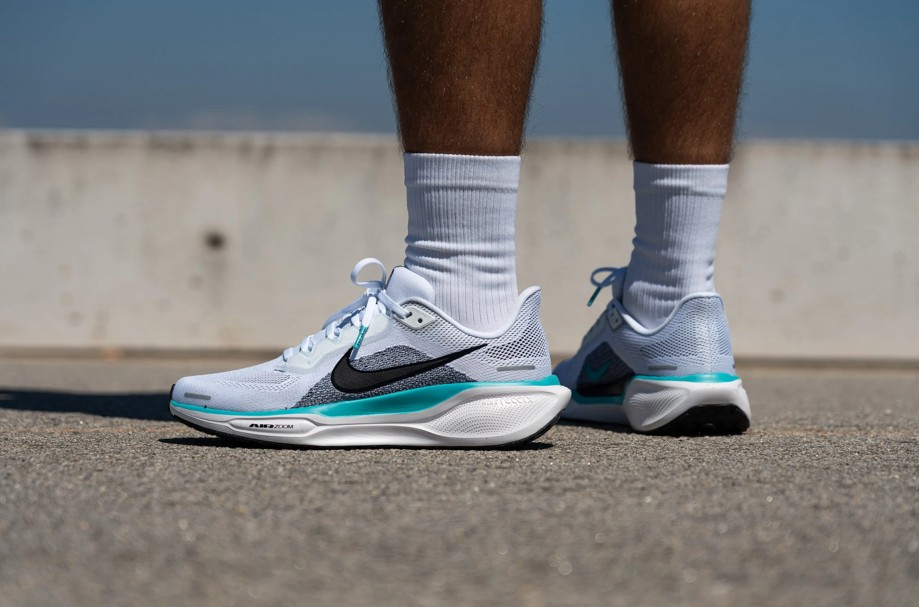
Daily trainers are the all-rounders. They are built to handle the bulk of normal training without being overly soft, overly firm or too specialised. If someone wants one reliable pair for most of their week, this is usually the smartest place to start.
Shoes like the Nike Pegasus 41, Brooks Ghost 16 and Saucony Ride fit this category well. The Pegasus is a classic for a reason. It is balanced, versatile and suits runners who want one shoe that can handle a mix of easy runs, steady efforts and general training.
The Ghost has a similarly reliable feel and tends to suit runners who like something straightforward and dependable. The Ride sits nicely in the same lane, offering enough cushioning for comfort without feeling bulky.
Stability Running Shoes
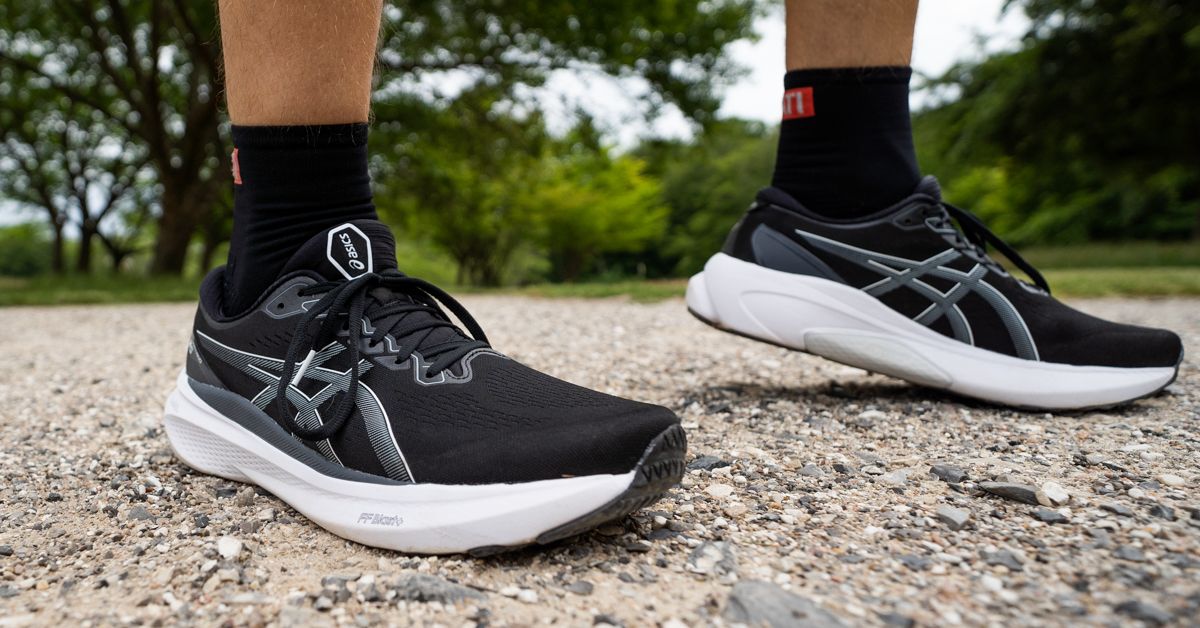
Modern stability shoes are not just stiff blocks anymore. A lot of them now create support through wider platforms, smarter geometry and subtle guidance rather than just forcing the foot into position.
Good examples here include the Brooks Adrenaline GTS 25, ASICS Kayano 30 and Saucony Guide 18. The Adrenaline has long been a go-to for runners who want a stable, controlled feel without the shoe feeling too heavy-handed. The Kayano is one of the best-
known support shoes on the market and suits runners who want more structure underfoot. And the Guide is usually a good option for those wanting something stable but not overly bulky.
This category tends to suit runners who feel unstable, runners with recurring arch or shin issues, or anyone who knows they do better in something more supportive. The catch is simple: if you do not need added support, too much of it can feel clunky.
Speed Shoes
This is where the conversation changes.
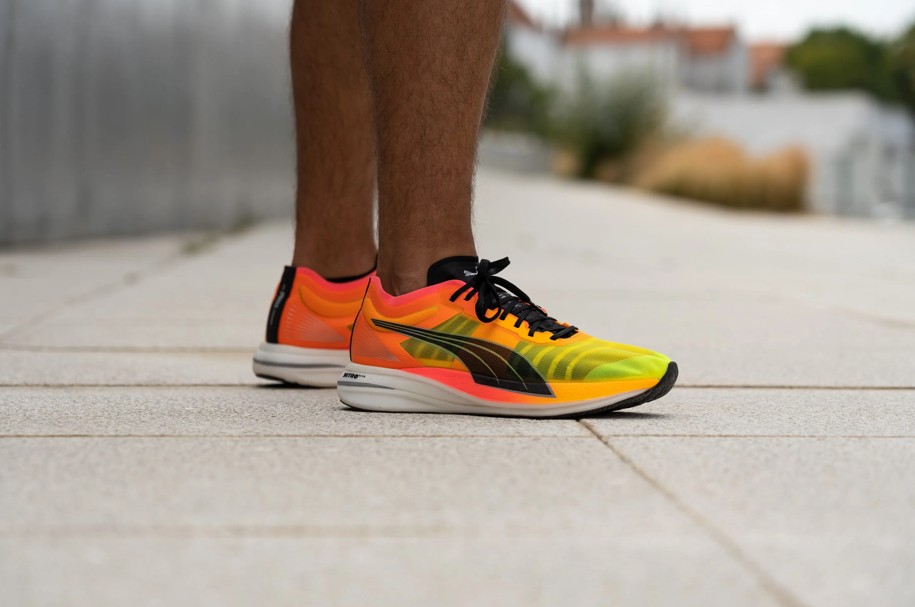
Speed shoes are built for workouts, tempo runs, intervals and race day. They are usually lighter, more responsive and more aggressive in how they roll through each step. They are not meant to feel like your everyday easy-run shoe, and that is the whole point.
Examples include the Nike Vaporfly 4, ASICS Metaspeed Edge Tokyo and Puma Deviate Nitro Elite 4. The Vaporfly is still one of the most recognisable race shoes out there and works well for runners wanting a soft but fast race-day option.
The main thing with this category is not to overuse it. These shoes are brilliant when the session calls for them, but most runners are better off using them for faster work rather than every run.
Which category should you choose?
The best running shoe is usually not the most expensive or the most hyped. It is the one that actually suits the type of runner you are and the kind of running you are doing.
Book in for a consult if you want to discuss what shoe is right for you.
FAQS
1. Why did my new running shoes feel amazing in-store and then awful 10km later?
Because standing in a shop and running tired are two completely different tests.
A shoe can feel soft, smooth and comfortable when you’re fresh, then start feeling unstable, flat or too firm once fatigue kicks in. That’s usually where the wrong shoe shows itself, not in the first minute, but later in the run when your body has to do more work.
2. Do I actually need a speed shoe, or is that just me trying to justify buying another pair?
Depends what you’re doing. If most of your runs are easy miles, then no, a speed shoe is probably overkill. But if you’re doing tempo runs, interval sessions or racing, a lighter and more responsive shoe can make sense. The mistake is treating a speed shoe like an everyday trainer. Great for sharper efforts, usually a bit much for a lazy Tuesday jog.
3. Are cushioned shoes always better for long runs?
Not automatically. More cushioning can definitely make long runs feel less harsh, which is why a lot of runners love them for bigger mileage. But if the shoe is too soft or too high for the way you run, it can start feeling unstable once you tire. So the better question is not “is more cushioning better?” but “does this amount of cushioning still feel controlled when I’m deep into the run?”
Not sure which running shoes are right for you? Let Narellan Foot Clinic help you choose based on your foot health, not hype.




12 Comments
https://shorturl.fm/1MqIP
https://shorturl.fm/aUZYT
https://shorturl.fm/18da1
https://shorturl.fm/trYpU
https://shorturl.fm/ZULN7
https://shorturl.fm/3vbA4
https://shorturl.fm/QiWEI
https://shorturl.fm/4v1j7
https://shorturl.fm/qsDk4
https://shorturl.fm/zHSj8
https://shorturl.fm/o7Hp0
https://shorturl.fm/9tOjV