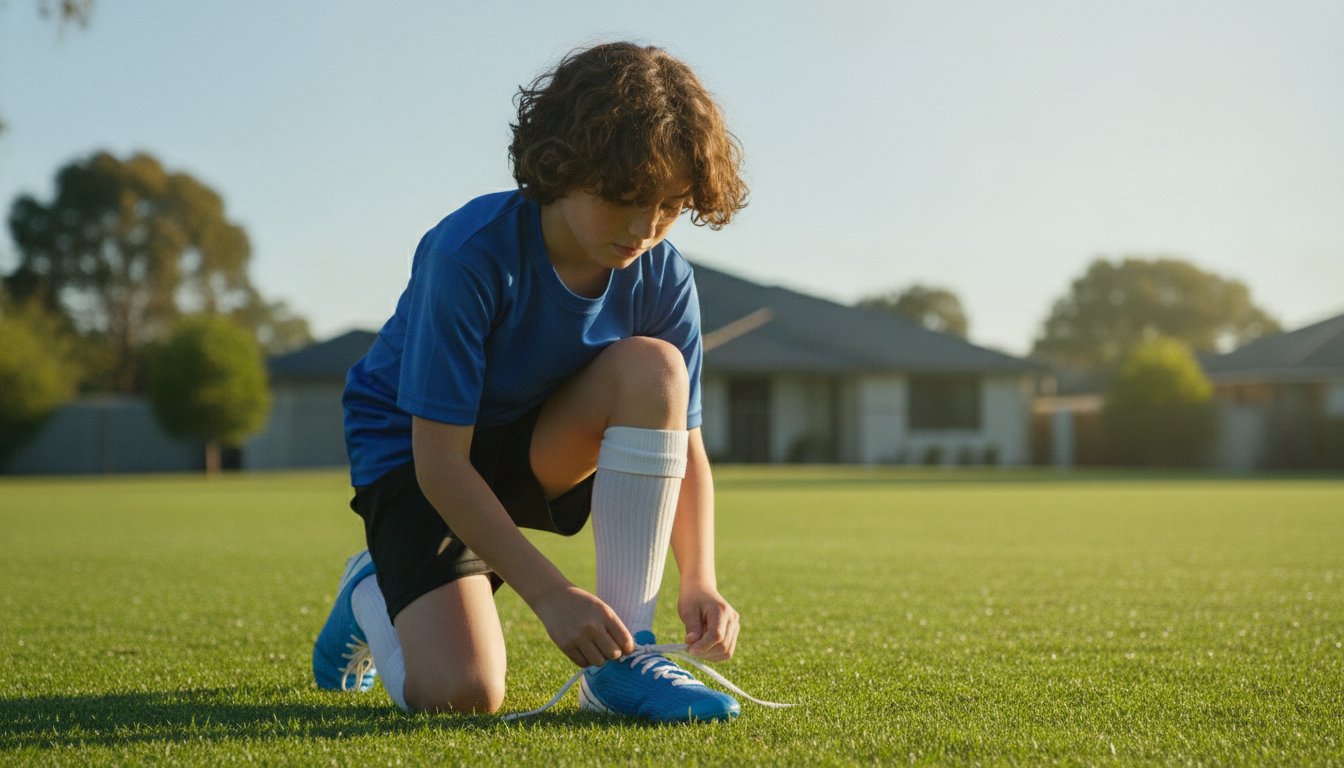
It is Saturday morning at the local sports field, but instead of sprinting for the ball, your child is limping toward the sidelines with tears in their eyes. You might have been told this is just a phase or simple growing pains that will eventually pass on their own. However, seeing your active youngster sidelined by persistent discomfort is deeply worrying for any parent. It’s frustrating. It is even more concerning when you aren’t sure if the pain is a normal part of growing or a sign of a more serious injury that could affect their long-term foot development.
At Narellan Foot Clinic, we understand that you want a clear path forward that keeps your child moving. Finding expert Sever’s disease treatment Gregory Hills is the first step toward moving from a state of worry to one of comfort and ease. We have spent over 25 years helping local families manage these common growth-related challenges through precise biomechanical assessments and modern, gentle care. This article will show you how a professional diagnosis and a tailored treatment plan can resolve heel pain safely. You’ll discover how we use custom orthotics and targeted strategies to help your child return to the field and stay there for the long run.
Key Takeaways
- Understand that Sever’s disease is an inflammation of the heel’s growth plate, often mistaken for “growing pains” in active children aged 8 to 14.
- Identify how hard playing surfaces and high-impact sports common in the Macarthur region can aggravate your child’s heel pain.
- Learn why a professional biomechanical assessment is the essential first step for securing effective severs disease treatment Gregory Hills.
- Discover the specific combination of activity modification, stretching, and custom orthotics that helps resolve symptoms and prevents them from returning.
- Find out how accessing expert podiatry care close to home can streamline your child’s recovery and support their long-term physical development.
What is Sever’s Disease? Understanding Calcaneal Apophysitis
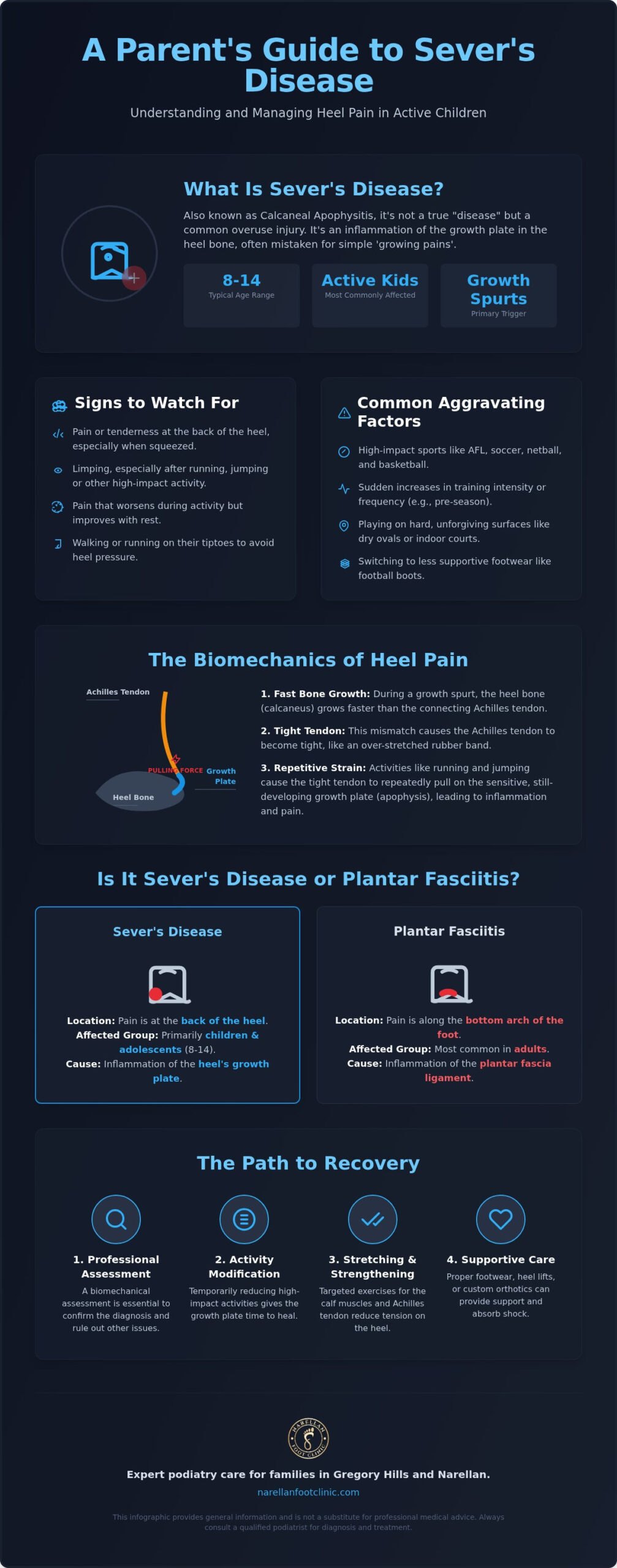
Despite its intimidating name, Sever’s disease isn’t actually a disease in the traditional sense. It’s a common overuse injury that occurs when the growth plate in the back of the heel bone becomes inflamed. For families seeking severs disease treatment Gregory Hills, understanding that this is a growth-related condition rather than a permanent ailment is often a great relief. It primarily affects active children between the ages of 8 and 14, particularly during those intense windows of physical development known as growth spurts.
The symptoms usually appear gradually. You might notice your child limping after a weekend of netball or soccer, or they may complain of a sharp ache that only flares up during sport. Common indicators include:
- Tenderness when the back or sides of the heel are squeezed.
- Pain that improves with rest but returns quickly with running or jumping.
- Walking on tiptoes to avoid putting pressure on the heel.
Recognising these signs early allows for a faster transition from discomfort back to the activities they love. While it’s a frequent part of childhood development, it shouldn’t be dismissed as something they just have to suffer through.
The Anatomy of the Growing Heel
A child’s heel bone, or calcaneus, is not a single solid piece of bone. Instead, it contains a soft area of developing tissue called the calcaneal growth plate, which plays a vital role in bone development. During a growth spurt, the bones often grow faster than the muscles and tendons can keep up with. This causes the Achilles tendon to become incredibly tight, pulling forcefully on the sensitive growth plate every time your child runs or jumps. Calcaneal Apophysitis is the clinical term for this traction injury where the tendon meets the developing bone.
Sever’s vs. Plantar Fasciitis: Spotting the Difference
It’s common for parents to confuse Sever’s with plantar fasciitis, but the two conditions are quite different. Plantar fasciitis is an adult-centric issue that causes pain along the bottom of the arch. In contrast, Sever’s pain is located specifically at the back of the heel. A professional biomechanical assessment is vital to ensure your child isn’t following a treatment plan designed for an adult injury. Expert severs disease treatment Gregory Hills focuses on the unique biomechanics of a growing foot, ensuring the growth plate is protected while the child remains active. This precision avoids the pitfalls of incorrect home management and gets them back on the field safely.
Common Triggers for Heel Pain in Gregory Hills Young Athletes
While Sever’s is fundamentally a growth-related issue, several environmental factors in the local area can speed up its onset. Gregory Hills is home to many young athletes who participate in high-impact sports like AFL, netball, and soccer. These activities involve repetitive running and jumping on surfaces that aren’t always forgiving. In the Macarthur region, playing fields can become quite hard during the drier months, which significantly increases the force of every heel strike. This repetitive impact, combined with the “growth spurt factor” where bone growth temporarily outpaces muscle flexibility, creates the perfect storm for heel pain.
According to Johns Hopkins Medicine on Sever Disease, the condition is most common in sports that require intense running on hard surfaces. When families look for severs disease treatment Gregory Hills, we often start by identifying which specific triggers are at play for their child. Common catalysts include:
- Rapid increases in training frequency or duration during the start of a new season.
- Switching from supportive sneakers to flat, narrow football or rugby boots.
- Playing on hard-baked local ovals or indoor concrete netball courts.
- Growth spurts that leave the calf muscles feeling tight and inflexible.
The Impact of Local Sporting Seasons
The transition between winter and summer sports is a frequent trigger point. When a child moves from the cushioning of a running shoe used in athletics to the flat, narrow profile of a soccer or AFL boot, the change in support is drastic. Pre-season training loads often see a sudden spike in activity levels, which is frequently when the first signs of limping appear. Ensuring a gradual increase in intensity and prioritising proper warm-ups for junior club members can help manage this risk. If your child is struggling to keep up with their teammates, a professional assessment at Narellan Foot Clinic can help identify the specific triggers affecting their performance.
Footwear Choices and Heel Stress
Footwear is often the most overlooked factor in heel pain. Many sporting boots are designed for traction rather than support, placing excessive strain on the Achilles tendon. Flat-soled school shoes also offer little relief during the six hours a day children spend on their feet. We also frequently see issues with “hand-me-down” sporting shoes. While it’s tempting to pass boots down to younger siblings, once the internal cushioning has compressed, the shoe loses its ability to absorb shock. The right footwear acts as the first line of defence against the stresses of active play, making it a cornerstone of effective severs disease treatment Gregory Hills.
The Role of a Biomechanical Assessment in Diagnosing Sever’s
A biomechanical assessment is the gold standard for diagnosing heel pain in children. It goes beyond simply identifying the site of inflammation to uncover the underlying mechanical drivers. During this evaluation, we perform a thorough physical examination to check joint range of motion and muscle strength. This helps determine if a child’s pain is due to a specific growth spurt or a long-standing structural issue. According to research on Sever’s Disease, clinical diagnosis is largely based on the “squeeze test” and functional movement analysis rather than expensive imaging like X-rays.
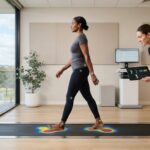
We also include a detailed gait analysis, where we observe your child walking and running. This allows us to spot subtle misalignments or inefficient movement patterns that put extra stress on the heel bone. By focusing on the “why” behind the pain, we ensure that severs disease treatment Gregory Hills is targeted and effective, rather than a one-size-fits-all approach. Identifying these root causes is the only way to provide long-term relief for an active youngster.
What to Expect During Your Child’s Consultation
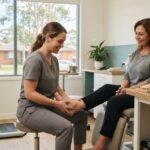
The consultation is completely non-invasive and designed to make your child feel at ease. It’s essential to bring along their most-worn school and sports shoes, as the wear patterns on the soles provide valuable clues about their foot function. We use this clinical expertise to map out a personalised recovery path that balances the need for rest with the desire to stay active. Parents often feel a sense of relief once they see the logical connection between their child’s movement and the pain they’ve been experiencing.
Identifying Contributing Factors Like Flat Feet
Structural issues often play a silent role in heel inflammation. For instance, flat feet treatment is frequently a key component of severs disease treatment Gregory Hills because excessive pronation can create a lateral pull on the heel bone. This additional torque makes the growth plate more vulnerable to injury. We also check for tight calf muscles, which increase tension on the Achilles tendon, and look for leg length discrepancies or postural imbalances that might be causing one side to work harder than the other. Addressing these mechanical factors is what prevents the pain from recurring once the child returns to full activity.
Effective Treatment Strategies for Sever’s Disease
Resolving heel pain requires a structured approach that moves from managing acute inflammation to correcting the underlying mechanical causes. Effective severs disease treatment Gregory Hills begins with “Phase 1” care, which involves strategic activity modification and regular ice therapy. We don’t believe in prescribing total rest, as this often leads to frustration for young athletes and a loss of fitness. Instead, we work with families to adjust training loads to a level the growth plate can tolerate. This initial stage is supported by targeted stretching and strengthening exercises for the calves and hamstrings. By improving the flexibility of the posterior chain, we can significantly reduce the constant tension being placed on the heel bone during rapid growth phases.
Custom Orthotics: The Long-Term Solution
For many children, custom orthotics are the most effective way to manage Sever’s over the long term. These devices incorporate a precise heel lift that physically reduces the traction of the Achilles tendon on the sensitive growth plate. Unlike generic chemist-bought cushions that often lack structural integrity and collapse under pressure, clinical orthotics are tailored to your child’s specific foot shape and biomechanical needs. This ensures the support remains consistent whether they are in school shoes or football boots. Because they are easily moved between different pairs of footwear, your child receives constant protection throughout the day, which is essential for preventing flare-ups during the school week.
Manual Therapies and Rehabilitation
We also utilise advanced manual techniques to accelerate the healing process and provide faster relief. The benefits of dry needling for foot pain in releasing deep-seated tension in the calf muscles can be remarkable. This therapy, often combined with modern photo-biomodulation, helps settle inflammation and encourages tissue repair much faster than simple rest. Our goal is always to develop a clear “Return to Play” plan that ensures your child doesn’t miss the whole season. We prioritise a gradual loading phase to ensure the heel can handle the demands of competitive sport without the risk of the pain returning. This methodical progression is a hallmark of quality severs disease treatment Gregory Hills, providing parents with the confidence that their child’s recovery is on the right track.
If you are ready to see your child run without pain, book a consultation at Narellan Foot Clinic today.
Expert Podiatry Care for Families in Gregory Hills and Narellan
For over 25 years, Narellan Foot Clinic has served as a reliable sanctuary for families in the Macarthur region. Led by Principal Podiatrist David J. Miller, our practice is built on a foundation of clinical authority and genuine empathy. Families seeking severs disease treatment Gregory Hills often find that our deep knowledge of children’s biomechanics provides the reassurance they need during stressful times. We understand that when your child is in pain, you aren’t just looking for a clinical diagnosis; you’re looking for a partner in their recovery. Our long-standing history in the community means we’ve helped generations of young athletes overcome growth-related challenges and return to the sports they love.
Convenience is a major factor for active families. Our clinic is located in the heart of Narellan, just minutes away from Gregory Hills. This proximity makes it easy to schedule after-school appointments without disrupting your weekly routine. We also provide on-the-spot HICAPS and Medicare claims, ensuring that the administrative side of your visit is as smooth and efficient as the consultation itself. When you choose us for severs disease treatment Gregory Hills, you’re placing your child in a safe pair of hands with a team that values effective, methodical results.
A Reassuring Environment for Young Patients
We’ve designed our clinic to be a welcoming space where children feel heard and supported. A successful recovery starts with the child understanding what is happening in their own body. David and the team take the time to explain the mechanics of the heel in a way that is accessible and never intimidating. By making the child an active participant in their own recovery, we foster a sense of empowerment that carries over into their sporting life. Our focus isn’t just on short-term relief; it’s about keeping kids active and healthy for life.
Booking Your Appointment Near Gregory Hills
It’s easy to dismiss heel pain as a temporary phase, but waiting until the pain becomes debilitating can lead to longer recovery times and unnecessary time off the field. Early intervention allows us to implement gentle, modern techniques that settle inflammation before it impacts your child’s confidence. Our booking process is straightforward, and our central location with easy parking ensures your visit is stress-free. Take the first step toward a pain-free season for your young athlete today.
Book your child’s biomechanical assessment at Narellan Foot Clinic today.
Helping Your Young Athlete Return to the Game
Watching your child struggle with persistent heel pain is difficult, but it doesn’t have to mean a season on the sidelines. By understanding that Sever’s is a manageable biomechanical mismatch rather than a permanent injury, you can take proactive steps toward their recovery. Professional severs disease treatment Gregory Hills focuses on identifying specific triggers, whether it’s unsupportive footwear or tight calf muscles, and providing a clear path back to full activity.
At Narellan Foot Clinic, Principal Podiatrist David J. Miller brings over 25 years of local experience to every consultation. We provide a “safe pair of hands” for families, combining expert biomechanical assessments with the convenience of on-the-spot HICAPS claims. Our goal is to move your child from a state of worry to one of comfort and ease, ensuring their long-term foot development is protected while they stay active in the sports they love.
Don’t let heel pain hold them back from another Saturday morning on the field. Book a Biomechanical Assessment for Your Child today and give them the expert care they deserve. We look forward to helping your family achieve lasting relief and physical freedom.
Frequently Asked Questions
Is Sever’s Disease permanent or will my child grow out of it?
Sever’s disease is not a permanent condition and most children will naturally grow out of it once the heel’s growth plate fully matures and fuses into solid bone. This typically occurs between the ages of 14 and 16. While the condition is self-limiting, leaving it unmanaged can lead to months of unnecessary pain and restricted activity. Professional intervention ensures your child remains comfortable and active during these final stages of foot development.
How long does it take to treat Sever’s Disease effectively?
Most children experience a significant reduction in pain within two to four weeks of starting a tailored management plan. However, effective severs disease treatment Gregory Hills is often an ongoing process that lasts until the growth spurt concludes. We focus on immediate symptom relief through manual therapies and long-term stability using custom orthotics. Consistency with stretching and wearing supportive footwear is the most reliable way to ensure a swift and lasting recovery for young athletes.
Does my child have to stop playing sport during treatment?
Total rest is rarely the answer and can often be counterproductive for a child’s physical and mental well-being. We prefer a load management approach where activity is modified rather than stopped entirely. By using custom orthotics to reduce heel tension and implementing specific warm-up routines, most kids can continue participating in their favourite sports. We work with you to find a balance that keeps them on the field without aggravating the growth plate.
Can I use store-bought heel cups instead of custom orthotics?
Store-bought heel cups provide temporary cushioning but they don’t address the underlying biomechanical issues causing the inflammation. Custom orthotics are designed specifically for your child’s unique foot structure and gait pattern. They provide a precise heel lift and arch support that stabilises the foot, significantly reducing the traction of the Achilles tendon on the growth plate. This clinical approach offers a much higher standard of care and more predictable results than generic, mass-produced inserts.
What are the first signs of Sever’s Disease I should look for?
The earliest signs often include a subtle limp after physical activity or a tendency to walk on tiptoes to avoid putting pressure on the heel. You might notice your child lagging behind during soccer or netball practice or complaining of a dull ache that worsens with running. Another common indicator is tenderness when you gently squeeze the back of the heel. Identifying these symptoms early allows for more effective severs disease treatment Gregory Hills before the pain becomes debilitating.
Is Sever’s Disease more common in boys or girls?
Historically, Sever’s was more frequently diagnosed in boys, but it is now commonly seen in both boys and girls. This shift reflects the high levels of participation in competitive junior sports across all genders in the Macarthur region. Because girls typically hit their growth spurts earlier, they may experience symptoms between ages 8 and 10, whereas boys often see the onset between ages 10 and 14. Activity level is the primary risk factor.
Can tight calf muscles cause heel pain in children?
Tight calf muscles are one of the most significant contributing factors to heel pain in growing children. During a growth spurt, bones often grow faster than the surrounding muscles and tendons. This creates a tight posterior chain, where the Achilles tendon pulls forcefully on the sensitive growth plate of the heel. Stretching exercises and manual therapies like dry needling are essential components of our treatment plans to help release this tension and provide lasting relief.
Does Medicare cover podiatry appointments for children with Sever’s?
Medicare may provide a rebate for podiatry appointments if your child is eligible for a Chronic Disease Management plan, formerly known as an EPC. This plan must be organised by your General Practitioner. While we accept these referrals, most families also utilise our on-the-spot HICAPS facilities for immediate private health fund claims. We recommend checking with your GP to see if your child’s condition meets the specific Medicare requirements for a structured management plan.