Did you know that nearly 48% of Australians wake up with heel, arch, or general foot pain at least once a week? If you’re one of them, you’ve likely spent a small fortune on “comfort” shoes only to find that the nagging ache persists during your daily stroll. It’s natural to feel worried about losing your mobility as the years pass, but the answer often lies in how your feet hit the ground. By undergoing a professional gait analysis Narellan locals can finally move beyond temporary fixes and uncover the precise mechanical reasons for their discomfort.
We agree that it’s incredibly frustrating to feel like your body is letting you down, especially when you’ve tried to do the right thing by purchasing expensive retail footwear. This article will show you how a clinical biomechanical assessment turns subjective pain into objective data, promising a future where you can walk with total ease. We’ll explore the modern techniques used to evaluate your movement and explain how a tailored plan from a trusted local expert can restore your physical freedom and peace of mind.
Key Takeaways
- Learn how a systematic study of your movement reveals how your feet influence the comfort of your knees, hips, and lower back.
- Discover how advanced digital scanning and pressure mapping identify the specific “hot spots” where your feet are taking excessive load.
- Understand common mechanical issues like overpronation and supination that could be causing your persistent walking discomfort.
- See why professional gait analysis Narellan services provide a clear, data-driven plan to restore your mobility and long-term joint health.
- Recognise the value of local clinical expertise and over 25 years of experience in helping the community walk without pain.
What is Gait Analysis and Why Does it Matter for Your Health?
Gait analysis is the systematic study of how an individual moves from one point to another. Rather than just watching you walk, it serves as a clinical “roadmap” to identify movement inefficiencies that aren’t visible to the naked eye. By using clinical gait analysis, podiatrists can pinpoint exactly where your stride is failing you. This process is about more than just your feet; it’s a comprehensive look at how your movement affects your knees, hips, and lower back.
The ultimate goal of this assessment is to achieve “gait comfort.” This is the ability to walk with a natural, fluid stride without your body needing to make painful compensations. When you’re in pain, your body often changes how it moves to protect a sore area. While this might provide short-term relief, these compensations usually lead to new problems elsewhere. A professional assessment helps break this cycle of discomfort.
The Connection Between Gait and Full-Body Alignment
Your body functions as a kinetic chain, where each part influences the next. If you have a collapsed arch while walking through Narellan, that instability doesn’t stay in your foot. It causes the ankle to roll inward, which forces the knee to rotate and the hip to tilt. Over time, these subtle misalignments lead to overuse injuries and chronic strain. While “wet footprint” home tests can show you the shape of your arch, they can’t capture how your joints behave under the pressure of movement. A professional assessment is required to see the full picture of your alignment.
Signs You Might Need a Professional Gait Assessment
Identifying the need for a gait analysis Narellan consultation often starts with small observations in your daily life. You don’t need to be an elite athlete to benefit from understanding your movement mechanics. Common red flags include:
- Uneven shoe wear: If the soles of your shoes are worn down more on one side than the other, your weight distribution is likely uneven.
- Recurring corns or calluses: These are signs of “hot spots” where your feet are taking too much friction or load.
- First-step morning pain: Sharp pain in the heel or arch when you first get out of bed is a major indicator of mechanical stress.
- Persistent joint aches: Unexplained pain in the knees or lower back after a simple walk.
For local Narellan residents who enjoy staying active at the Narellan Sports Hub or walking the local trails, these symptoms are your body’s way of asking for help. Addressing these issues early through a gait analysis Narellan appointment can prevent long-term mobility loss and keep you moving with confidence as you age.
The Science of Movement: How We Analyse Your Walk
Traditional podiatry often relied on the practitioner’s eye to spot walking irregularities. While a seasoned expert can see a lot, human vision is limited when capturing movements that occur in fractions of a second. Modern gait analysis Narellan has transitioned into a high-precision science, utilising advanced digital assessment tools to see what the eye misses. This objective data allows for highly specialised biomechanical assessments that transform your subjective discomfort into treatable, measurable facts.
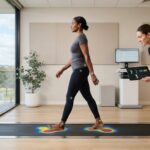
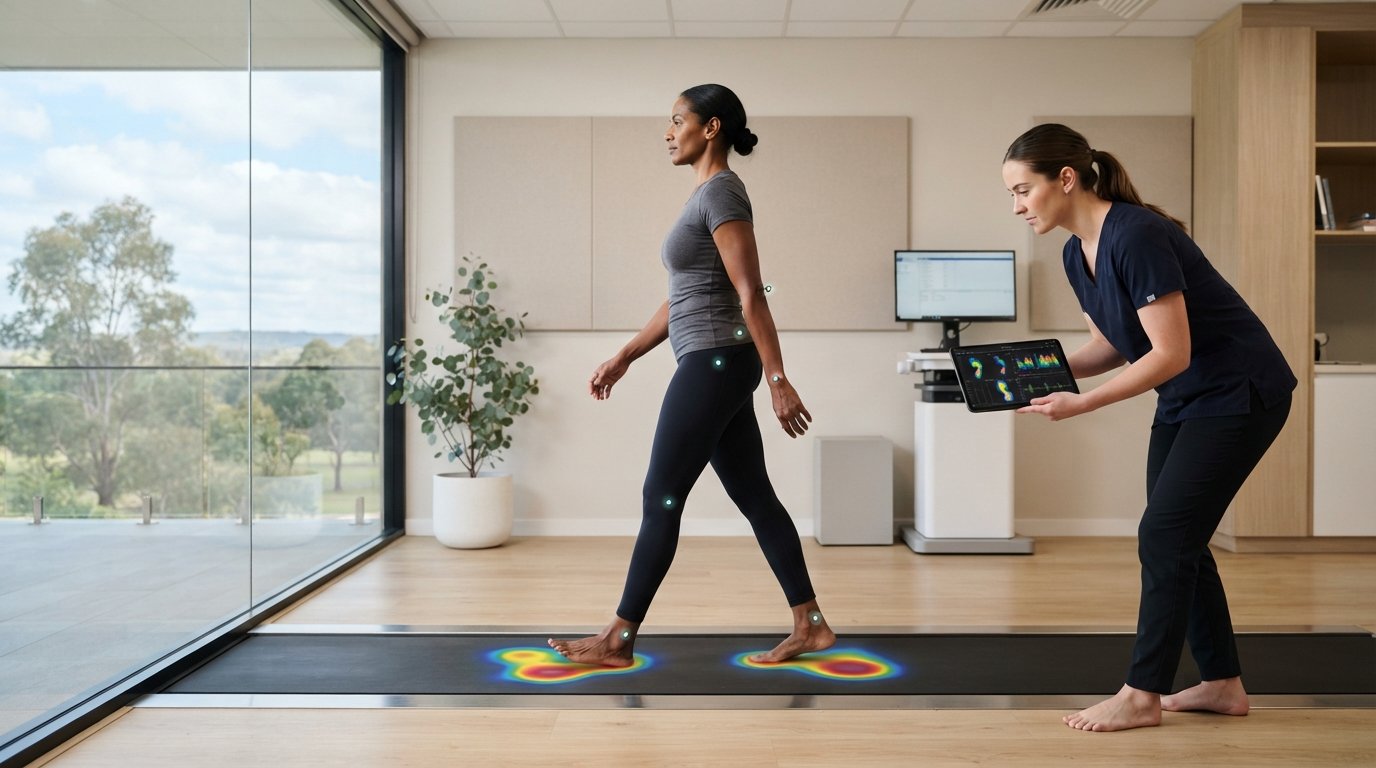
A cornerstone of this process is digital pressure mapping. By walking across a mat embedded with thousands of sensors, we can pinpoint “hot spots” where your foot is absorbing too much load. These high-pressure zones are often the root cause of recurring corns, calluses, or persistent arch pain. High-speed video capture then records your stride frame-by-frame. This level of detail is essential for identifying subtle gait disorders and abnormalities that might be causing your knees or hips to overwork during every step.
Digital Pressure Mapping vs. Visual Observation
Digital sensors capture information at high speeds, providing a depth of detail that traditional visual observation cannot achieve. During your consultation, you’ll see visual reports that map out your movement in real time. This isn’t just for our records; it’s a tool for your understanding. You can see exactly how your weight shifts from heel to toe and where your balance might be faltering. This data directly informs the creation of custom orthotics. By using precise pressure measurements, we ensure that any corrective devices are built to support your feet exactly where they need it most.
Understanding Your “Biomechanical Blueprint”
In podiatry, biomechanics refers to the way your bones, muscles, and tendons coordinate to produce movement. Every person possesses a unique “biomechanical blueprint,” a specific way of moving that is influenced by your anatomy and lifestyle. Identifying this blueprint is the key to preventing future injury. When we understand your unique mechanics, we can address inefficiencies before they lead to chronic conditions like plantar fasciitis or Achilles tendinopathy. It’s about more than just fixing current pain; it’s about safeguarding your future mobility. If you’re concerned about your walking pattern, you can book a consultation to begin your journey toward long-term comfort.
Common Issues Identified During Gait Analysis in Narellan
While everyone’s movement is unique, certain mechanical patterns frequently emerge during a gait analysis Narellan consultation. These patterns often explain why a patient is experiencing persistent discomfort despite trying various footwear options. Identifying these issues is the first step toward a clear, actionable plan for relief.
One of the most common findings is overpronation, where the foot rolls inward excessively during the walking cycle. This movement places significant strain on the arch and soft tissues. Conversely, supination involves an outward roll of the foot, which often leads to ankle instability and increased stress on the outer edge of the foot. We also frequently identify an early heel rise, which is often a sign of tight calf muscles or Achilles tendon tension. Additionally, a limb length discrepancy, where one leg is slightly longer than the other, can alter your entire walk and cause the body to compensate in ways that lead to hip or lower back pain.
Addressing Chronic Heel and Arch Pain
For those whose daily work involves repetitive movement or physical strain, these mechanical issues can lead to workplace injuries. You can find out more about how occupational health assessments help manage these risks and support your wellbeing on the job.
Many patients seek help because of debilitating arch or heel discomfort. Poor gait mechanics are a primary contributor to conditions like plantar fasciitis, where the ligament supporting the arch becomes inflamed. By identifying the specific mechanical cause, we can integrate gait correction into comprehensive heel pain treatment strategies. Correcting your movement doesn’t just manage the symptoms; it addresses the root cause to provide lasting relief. When your foot functions efficiently, the strain on the plantar fascia reduces, allowing for faster healing and more comfortable daily walks.
Gait Analysis for the Active Macarthur Resident
For those who frequent the running tracks at Oran Park or enjoy the trails at Mount Annan Botanic Garden, movement efficiency is vital. A professional assessment helps local athletes and walkers understand the causes and management of walking problems that might be hindering their performance. Mechanical correction is a powerful tool for preventing common injuries like shin splints and “runner’s knee.” By refining your biomechanics, you can improve your sporting efficiency, reduce fatigue, and ensure that your active lifestyle remains sustainable as you age. Whether you’re training for a local fun run or simply enjoying a weekend stroll, understanding your gait ensures every step is a healthy one.

What to Expect During Your Appointment at Narellan Foot Clinic
Walking into a clinical environment can sometimes feel daunting, but we’ve designed our process to be a supportive partnership. When you arrive for your gait analysis Narellan session, you’re stepping into a practice with over 25 years of local experience in helping the community move better. We start with a thorough consultation to discuss your specific pain history and what you hope to achieve, whether that’s returning to a sport or simply enjoying a weekend stroll without an ache.
The assessment moves into a physical examination where we evaluate your joint range of motion and muscle strength. This helps us understand the structural foundation of your movement. Following this, you’ll perform a walking or running assessment on a specialised track or treadmill. This dynamic phase is where our digital tools capture the frame-by-frame data mentioned earlier. It’s a key part of the gait analysis Narellan locals trust to resolve complex lower limb pain. We then review this data together to formulate a personalised treatment plan that addresses your unique needs.
How to Prepare for Your Assessment
To ensure we get the most accurate picture of your daily movement, please consider the following before your visit:
- Bring your footwear: Pack the shoes you wear most often, including work boots, exercise runners, and casual everyday pairs. The wear patterns on these provide vital clues.
- Choose the right clothing: Wear comfortable shorts or leggings that allow us to clearly see your knees and lower legs during the assessment.
- Note your history: Have a brief list of previous injuries, surgeries, or treatments you’ve tried in the past.
From Analysis to Action: The Results
Once the assessment is complete, your podiatrist will explain the “why” behind your discomfort. We believe that when you understand your mechanics, you’re better equipped to manage your health. We’ll provide clear footwear recommendations tailored to your specific gait. If the data shows that mechanical correction is necessary to prevent long-term joint strain, we’ll explore the benefits of custom orthotics. These devices are designed to realign your stride and provide the support your unique blueprint requires. If you’re ready to take the first step toward pain-free movement, you can book your appointment with our experienced team today.
The Path to Gait Comfort: Why Local Expertise Matters
Choosing a provider for your gait analysis Narellan isn’t just about accessing the latest technology; it’s about the clinical experience behind the data. David J. Miller has served the Narellan community for over 25 years, establishing a reputation as a “safe pair of hands” for families across the Macarthur region. This deep-rooted local history means we understand the specific needs of our residents, from the young athletes at the Narellan Sports Hub to retirees enjoying the local walking trails. Experience matters when translating complex digital scans into a practical, liveable plan for pain relief.
Our clinic understands the local lifestyle and the unique footwear requirements that come with it. Whether you’re navigating the hard pavements of Narellan Town Centre or the uneven terrain of a local park, we tailor our advice to your real-world environment. We also strive to make professional healthcare accessible and stress-free. To support our local families, we offer on-the-spot HICAPS claims for private health fund extras. For patients with a GP referral under a Chronic Condition Management Plan, we ensure Medicare claims are processed efficiently, allowing you to focus on your recovery rather than paperwork.
A Personalised Approach to Podiatry
There’s a significant difference between a tailored clinical assessment and the “one-size-fits-all” solutions often found in retail shoe stores. While a shop assistant might look at your arch, they aren’t trained to diagnose the complex biomechanical issues that lead to chronic pain. At Narellan Foot Clinic, we provide a personalised care journey that includes regular follow-ups to ensure your gait comfort is maintained over the long term. We often find that achieving lasting results requires a holistic view, integrating gait correction with general foot care to keep your feet healthy and resilient. This comprehensive approach ensures that every factor affecting your mobility is addressed.
Booking Your Gait Analysis in Narellan
Taking the first step toward pain-free walking shouldn’t be a hurdle. Our clinic is centrally located at Shop 4, 304-306 Camden Valley Way, making it easy for residents from Narellan, Camden, and Oran Park to visit us. We’ve streamlined our booking process to ensure you can secure a consultation that fits your schedule. Don’t let nagging pain or the fear of losing mobility hold you back from the activities you love. Our team is here to provide the professional reassurance and clinical precision you need to walk with total confidence. Organise your biomechanical assessment at Narellan Foot Clinic today.
Your Journey to Confident, Pain-Free Movement
Achieving long-term mobility starts with understanding the unique way your body moves. By choosing a professional gait analysis Narellan residents can finally stop guessing which retail shoes might work and start following a data-driven plan for comfort. We’ve explored how identifying mechanical issues like overpronation or limb length discrepancies can protect your knees, hips, and lower back from years of unnecessary strain. Whether you’re an active walker or simply want to move through your day without an ache, the right assessment makes all the difference.
Under the guidance of Principal Podiatrist David J. Miller, Narellan Foot Clinic provides the clinical precision and local experience needed to restore your physical freedom. With over 25 years of history in the community and the convenience of on-the-spot HICAPS and Medicare claims, we’re here to ensure your transition from discomfort to ease is seamless. You don’t have to accept nagging pain as a natural part of life. It’s time to reclaim your stride and walk with the confidence you deserve.
Book Your Comprehensive Gait Analysis at Narellan Foot Clinic today and take the first step toward a more mobile, comfortable future.
Frequently Asked Questions
What is the difference between a biomechanical assessment and gait analysis?
A biomechanical assessment primarily focuses on the static structure of your feet and legs, including joint range of motion and muscle strength while you are seated or lying down. In contrast, gait analysis evaluates the dynamic function of your body while you are in motion. By observing how your bones and muscles coordinate during a stride, we can identify specific inefficiencies that only appear when you are weight-bearing and moving through a full step.
Will I need orthotics after a gait analysis?
Not every patient requires custom orthotics after an assessment. While these devices are highly effective for correcting significant mechanical misalignments, we often find that other interventions are equally beneficial. Depending on your results, we might suggest specific footwear changes, targeted stretching routines, or strengthening exercises. Our goal is always to find the most efficient path to comfort, using orthotics only when they are the best clinical tool for your long-term mobility and relief.
How long does a professional gait assessment take?
A comprehensive gait analysis Narellan appointment typically takes between 45 and 60 minutes. This timeframe allows our team to conduct a thorough initial consultation, perform a physical examination of your joints, and capture the necessary digital movement data. We also dedicate time at the end of the session to review the findings with you and discuss a personalised treatment plan, ensuring you leave with a clear and confident understanding of your unique movement patterns.
Do I need a referral from a GP to see a podiatrist in Narellan?
No, you do not need a GP referral to visit us as a private patient. Most of our clients book directly to address their foot or leg concerns. However, if you wish to claim the Medicare rebate under a Chronic Condition Management Plan, you will need a valid referral from your doctor. We recommend checking with your GP if you have a long-term health condition that might qualify you for these five Medicare-subsidised allied health sessions per year.
Can gait analysis help with my lower back pain?
Yes, gait analysis is an excellent tool for investigating the root cause of persistent lower back pain. Because your body operates as a kinetic chain, issues in the feet, such as overpronation, can cause the pelvis to tilt and put extra strain on the lumbar spine. By identifying and correcting these foundational movement errors, we can often reduce the compensatory stress on your back, leading to improved comfort and better overall alignment. For those exploring comprehensive recovery options for chronic joint issues, REVĪV demonstrates how regenerative medicine can support long-term spine and joint health.
We recommend wearing comfortable, loose-fitting clothing that allows us to see your knees and lower legs clearly. Shorts or athletic leggings are ideal for this purpose. It is also essential to bring the footwear you wear most frequently, such as your work boots, exercise runners, and casual daily shoes. Seeing the wear patterns on your actual shoes provides our clinical team with vital information about how your feet interact with the ground in the real world.
Is gait analysis covered by private health insurance?
Most private health insurance funds cover biomechanical evaluations and gait assessments under their “Podiatry” or “Allied Health” extras. The exact amount of your rebate will depend on your specific level of cover and your remaining annual limits. For your convenience, we provide on-the-spot HICAPS claims at our clinic, allowing you to pay only the gap amount at the time of your consultation. We suggest contacting your provider beforehand to confirm your individual benefits.
How often should I have my gait re-assessed?
We generally recommend a review every 12 to 24 months, though this depends on your age, activity level, and whether your lifestyle has changed. For children or local athletes in the Macarthur region, more frequent assessments might be necessary to account for growth or high training loads. You should also book a follow-up if you notice new discomfort or if your old footwear begins to show unusual wear patterns that suggest a shift in your mechanics.