Imagine watching your child sit on the sidelines of their Saturday morning footy match, not because they’re tired, but because their feet won’t stop aching. It’s a common worry for local families, leading many to seek the guidance of a paediatric podiatrist in Macarthur to determine if that awkward gait is a phase or a biomechanical issue. You want the best for your child’s development, yet it’s often difficult to distinguish between normal growth and a problem that needs professional attention.
We understand that you want your kids to lead active, healthy lives without the burden of physical discomfort. This guide will help you understand key developmental milestones and show you how a professional assessment can provide the clarity you need to keep your little one moving. We’ll provide practical advice on choosing the right school shoes and managing sports-related pain, ensuring your child has a strong, pain-free foundation for the years ahead. From netball courts to the school playground, we’re here to help you move from a state of worry to one of comfort and ease.
Key Takeaways
- Learn why early intervention is vital for a child’s developing feet and how it helps prevent chronic physical issues in adulthood.
- Understand the normal timeline for walking and running, including why flat feet are expected in toddlers but may need attention as they grow.
- Discover how a specialist paediatric podiatrist Macarthur conducts stress-free biomechanical assessments to keep your little one active and pain-free.
- Recognise the signs of common childhood conditions like Sever’s disease to ensure your child doesn’t have to sit out of weekend sport.
- Master the essentials of school shoe selection, focusing on professional fitting and material quality to support your child’s foot health every day.
Why Paediatric Podiatry is Essential for Growing Macarthur Families
Children aren’t just small adults. Their feet are complex, evolving structures that require a specific clinical focus to ensure they develop correctly. If you’ve wondered What is Podiatry? and how it applies to your family, it’s helpful to know that podopediatrics is a dedicated subspecialty. A paediatric podiatrist in Macarthur focuses specifically on the developing lower limb, ensuring that growth occurs in a balanced and healthy way. This specialised care is essential for local families who want to ensure their children stay active and confident during their most rapid years of physical change.
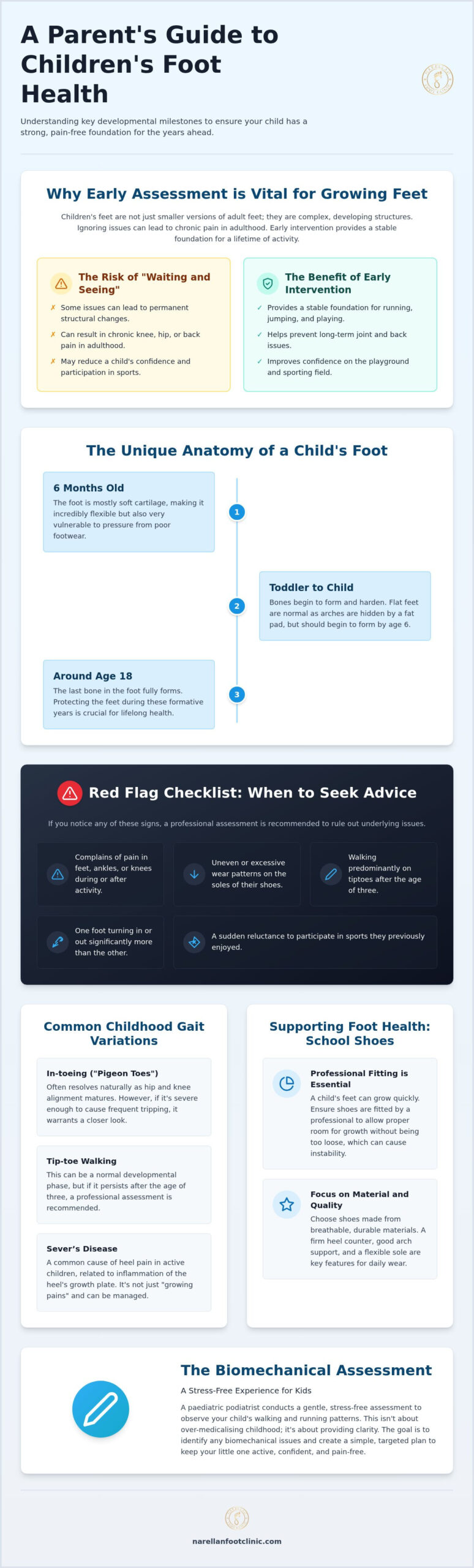
Many parents are told to “wait and see” when their child walks differently or complains of tired legs. While some issues resolve naturally, others can lead to permanent structural changes. Ignoring a biomechanical misalignment during the formative years often results in chronic knee, hip, or back pain once they reach adulthood. Early intervention isn’t about over-medicalising childhood. It’s about providing a stable foundation so your child can run, jump, and play without restriction. Healthy foot alignment directly improves a child’s confidence in the playground and on the sporting field, allowing them to focus on the game rather than their discomfort.
The Unique Anatomy of a Child’s Foot
At six months of age, a baby’s foot is mostly cartilage rather than bone. This makes the foot incredibly flexible but also highly vulnerable to external pressures. The last bone doesn’t fully form until around age 18. Because these structures are so pliable, poor footwear or repetitive strain from high-impact sports can easily deform the foot. Protecting the growth plates is crucial. These areas of developing tissue are where bone growth occurs. Injury or excessive pressure here can have long-term consequences for a child’s mobility and adult foot health.
When “Growing Pains” Aren’t Just Growing Pains
We’ve all heard the term “growing pains” used to dismiss a child’s discomfort. However, pain is rarely a normal part of ageing. There’s a distinct difference between occasional muscle fatigue after a long day at the park and a structural misalignment that causes persistent distress. If your child is waking up at night with leg pain or refusing to participate in school sport, it’s time for a professional clinical review. A paediatric podiatrist in Macarthur can identify if the issue is a simple growth spurt or a biomechanical issue requiring targeted support. Clear, professional assessment helps rule out serious issues and provides a direct path to relief.
While many issues are structural, some coordination difficulties may stem from the nervous system. Specialist resources from Blue Cactus Neurology can help parents understand when a child’s physical challenges might require a paediatric neurological assessment alongside podiatric care.
Developmental Milestones: Is Your Child’s Gait Normal?
Watching your child take those first tentative steps is a significant milestone for any family. While most children begin walking between 10 and 20 months of age, the way they move can vary quite a bit. As their centre of gravity shifts from the wide based toddler waddle toward a more refined gait, it is natural to wonder if their progress is on track. A paediatric podiatrist in Macarthur can help you distinguish between a temporary developmental phase and a movement pattern that requires professional support.
One of the most frequent concerns parents raise involves flat feet. In toddlers, a flat appearance is usually normal because the arches haven’t fully developed and are often hidden by a natural fat pad. However, if the arches haven’t begun to form by the time a child reaches age six, it can lead to structural issues. Identifying common pediatric foot conditions early ensures that your child’s alignment supports their growing body rather than causing strain on their knees and lower back.
To help you decide when to seek professional advice, we have developed this Red Flag checklist for Macarthur parents:
- Complaints of pain in the feet, ankles, or knees during or after physical activity.
- Uneven wear patterns on the soles of school shoes or sneakers.
- Walking predominantly on tiptoes after the age of three.
- One foot turning in or out significantly more than the other.
- A sudden reluctance to participate in sports or playground games they previously enjoyed.
Common Gait Variations: In-toeing and Tip-toe Walking
In-toeing, often called “pigeon toes,” is a common sight in local playgrounds. In many instances, this resolves naturally as the child’s hip and knee alignment matures. However, if the in-toeing is severe enough to cause frequent tripping, it deserves a closer look. Similarly, tip-toe walking is a phase many children go through when they first find their feet. If this persists beyond age three, it may indicate tight calf muscles or other biomechanical factors that a paediatric podiatrist Macarthur can help manage through gentle, non-invasive techniques. For children whose walking habits are part of a broader developmental profile, services like Divergent Minds ABA can provide the specialised behavioural support needed alongside physical interventions.
It is easy to label a child as “just clumsy” when they seem to trip over their own feet. Often, there is a physical reason for these frequent falls. Poor foot posture can negatively affect a child’s balance and spatial awareness, making it harder for them to navigate uneven surfaces or keep up with friends. A detailed biomechanical assessment provides a clear picture of how your child’s feet and legs are working together, helping us build a foundation for safer, more confident movement.
Common Conditions Treated by a Paediatric Podiatrist in Macarthur
While many childhood foot variations are a normal part of growing up, certain conditions require the expertise of a paediatric podiatrist in Macarthur to prevent long term complications. We often see children who have reached a point where “walking it off” is no longer an option. Recognising these specific conditions early allows for gentler, more effective interventions that keep your child active. Whether it is a sudden onset of heel pain or a persistent skin irritation, a professional assessment provides a clear path toward relief and recovery.
Paediatric flat feet, or Pes Planus, is another common reason families visit our clinic. While we previously discussed that flat feet are normal in toddlers, persistent flatness in older children can lead to significant biomechanical strain. This often manifests as pain not just in the feet, but also in the knees and lower back. By addressing these alignment issues early, we can reduce the risk of chronic adult pathologies. Our goal is to ensure that your child’s physical foundation is robust enough to handle the demands of their daily activities.
Managing Sever’s Disease in Young Athletes
Sever’s disease is the leading cause of heel pain in active tweens, typically peaking between the ages of 8 and 14. It isn’t a disease in the traditional sense, but rather an inflammation of the growth plate at the back of the heel. When a child undergoes a rapid growth spurt, their muscles and tendons can become tight, pulling on this sensitive area during sport. Effective heel pain treatment often involves a combination of activity modification, specific stretching routines, and temporary orthotic support. These strategies help manage the inflammation so your child doesn’t have to miss out on their weekend matches.
Teenage Nail and Skin Health
As children enter their teenage years, their foot health needs often shift toward skin and nail concerns. Sweaty feet inside occlusive sports shoes create the perfect environment for bacterial and fungal infections. We frequently see plantar warts, or verrucae, which are easily spread at school swimming carnivals and in communal change rooms. Managing these contagious infections early prevents them from becoming painful or spreading to other family members.
Ingrown toenails are another common issue for local teenagers, often caused by tight shoes or incorrect nail trimming. We strongly advise against “bathroom surgery,” where parents try to fix the issue at home with unsterilised tools. This often leads to deep infections and increased pain. For recurring issues, we provide safe, sterile ingrown toenail surgery in a controlled clinical environment. This minor procedure offers permanent relief, allowing your teenager to return to their favourite sports without the constant throb of an infected nail.
The Biomechanical Assessment: A Stress-Free Experience for Kids
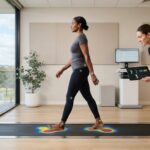
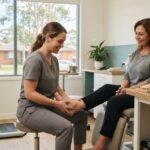
Visiting a specialist can feel like a big step for a young family. We’ve designed our biomechanical assessments to be gentle, engaging, and entirely non-invasive. It starts with a conversation. We discuss birth details and developmental milestones to understand the full picture of your child’s growth. We then perform a physical examination to check joint range of motion and muscle strength, ensuring everything is functioning correctly. Choosing a paediatric podiatrist Macarthur means finding a partner who values your child’s comfort as much as their clinical outcomes.
A vital part of the visit is the visual gait analysis. We watch your child walk and run in the clinic to see their biomechanics in action. We also ask that you bring along their most-worn school and sports shoes for a thorough footwear review. This helps us see how their movement patterns affect their shoes. Finally, we create a collaborative treatment plan. We involve both you and your child in this step, ensuring everyone feels supported and informed about the path toward pain-free activity.
Custom Orthotics for Children: When Are They Necessary?
One of the most common questions we hear is whether a child needs custom orthotics. It’s a common misconception that every child with a gait variation requires them. In reality, we only prescribe corrective insoles when they are necessary to support the foot as it continues to develop or to alleviate persistent pain. Unlike off-the-shelf pharmacy inserts, clinical orthotics are tailored to your child’s unique foot structure. This provides the precision required to manage specific biomechanical issues effectively while the foot is still maturing.
Navigating Medicare and EPC Plans for Your Visit
For families managing chronic foot conditions, the Enhanced Primary Care (EPC) plan can be a significant help. This Medicare-rebated programme allows for up to five visits per calendar year with a rebate of $58.70 per visit [verify]. To access this, you’ll need to visit your GP to obtain a formal referral. We aim to make the financial side as smooth as possible by offering on-the-spot HICAPS and Medicare claims. This means you can focus on your child’s health rather than paperwork. If you’re ready to ensure your child’s feet are on the right track, book a biomechanical assessment today.
Supporting Your Child’s Foot Health at Home and School
Foot health isn’t confined to the clinical environment. It is a daily priority that follows your child from the classroom to the local sports fields. While a paediatric podiatrist in Macarthur provides the professional foundation for healthy movement, the choices you make at home and when shopping for school supplies have a lasting impact. Children spend upwards of 1,500 hours a year in their school shoes, making this one of the most important health investments you will make for their developing bodies. By focusing on quality materials and professional fitting, you can prevent many of the common aches and pains that sideline active kids.
When you’re navigating the back-to-school rush in Macarthur, it is easy to be swayed by style over substance. However, a “good” leather school shoe must meet specific structural criteria to support a growing foot. First, look for a firm heel counter. If you press on the back of the shoe, it shouldn’t collapse; this provides the necessary rearfoot stability. Second, the shoe should only bend at the forefoot, where the toes naturally flex, rather than in the middle of the arch.
Professional fitting is essential to ensure the shoe accommodates the length, width, and depth of the foot. We recommend the “Rule of Thumb,” which ensures there is about one centimetre of space between the longest toe and the end of the shoe. This allows for growth without causing the foot to slide around and create blisters. Keep an eye on wear patterns; if the heel is significantly worn down on one side, it is a clear indicator of a biomechanical issue that requires a clinical review before the next pair is purchased.
Preparing for the Weekend Sport Season
Whether your child is heading to the netball courts or the footy fields, their sports footwear needs to be sport-specific. Netball shoes require excellent lateral support for sudden changes in direction, while soccer and league boots need to provide traction without putting undue pressure on the midfoot. We strongly advise against using “hand-me-down” sports shoes. Because shoes mould to the unique gait pattern of the previous wearer, they can force your child’s foot into an unnatural position, increasing the risk of injury.
A pre-season check-up at Narellan Foot Clinic is a proactive way to ensure your child is ready for the demands of junior sports. We can assess their current boots and provide advice on injury prevention tailored to their specific sport and foot type. This small step helps ensure they spend the season on the field with their teammates rather than on the bench with preventable pain.
Securing a Healthy Foundation for Your Child’s Future
Your child’s feet are the foundation for a lifetime of movement and activity. By understanding developmental milestones and choosing the right footwear, you’re already taking significant steps to protect their physical well-being. Early intervention is the key to preventing minor gait variations from becoming chronic adult issues. A professional assessment provides the clarity and peace of mind every parent deserves, ensuring your little one stays on the right track.
At Narellan Foot Clinic, we’ve spent over 25 years serving our local community with gentle, expert care. Our family-friendly environment ensures that every visit is stress-free for both you and your little one. We specialise in non-invasive biomechanical assessments that focus on long-term wellness and comfort. With on-the-spot HICAPS and Medicare claims, we make it easy to access the support your family needs. If you have concerns about how your child is walking or if they’re experiencing persistent pain, seeing a paediatric podiatrist Macarthur is the best way to ensure they stay active and happy.
Book a Paediatric Assessment at Narellan Foot Clinic today and give your child the stable start they need to thrive in the playground and on the sporting field. We look forward to helping your family move toward a future of comfort and ease.
Frequently Asked Questions
Do I need a GP referral to see a paediatric podiatrist in Macarthur?
No, you don’t need a referral for a private consultation at Narellan Foot Clinic. However, if you want to claim the Medicare rebate under an Enhanced Primary Care (EPC) plan, you’ll need to visit your GP first. We process on-the-spot HICAPS and Medicare claims to make the process easier for families. This flexibility allows you to seek expert advice from a paediatric podiatrist Macarthur whenever you have concerns about your child’s development.
At what age should I take my child for their first podiatry check-up?
Most children should have their first foot health screening around age three or four, once their walking pattern has become more established. If you notice specific issues like frequent tripping, pain, or unusual gait before this, an earlier assessment is recommended. Early screenings allow us to monitor bone development, which continues until about age 18. Identifying biomechanical issues during these formative years ensures your child builds a strong, healthy foundation for physical activity.
Will my child have to wear orthotics for the rest of their life?
Not necessarily, as many children only require custom orthotics during specific growth phases to correct alignment or manage pain. The goal of orthotic therapy is to support the foot while it matures, often allowing the child to transition out of them as they grow stronger. We focus on individual needs rather than a one-size-fits-all approach. Regular reviews help us determine when your child has achieved the stability required to move comfortably without additional support.
Can podiatry help with my child’s frequent tripping and clumsiness?
Yes, a paediatric podiatrist Macarthur can identify if clumsiness is actually caused by biomechanical factors like in-toeing or flat feet. Poor foot posture often affects a child’s balance and spatial awareness, leading to frequent falls. By conducting a non-invasive biomechanical assessment, we can pinpoint the structural cause of the tripping. Targeted exercises or footwear changes often provide the stability your child needs to navigate the playground with much more confidence and safety.
What should I bring to my child’s first podiatry appointment?
Please bring your child’s most frequently worn footwear, including their primary school shoes and any sports boots they use for weekend matches. It is also helpful to have their developmental history and any previous medical reports on hand. Seeing the wear patterns on their shoes provides vital clues about their gait and biomechanics. We recommend dressing your child in comfortable clothing, such as shorts, so we can easily observe their knee and ankle alignment.
Does Medicare cover children’s podiatry appointments?
Medicare provides a rebate for podiatry services through the Enhanced Primary Care (EPC) programme for children with chronic conditions. This rebate currently covers $58.70 per visit for up to five consultations per calendar year [verify]. You will need a specific referral from your GP to access this funding. At Narellan Foot Clinic, we process these claims on-the-spot, meaning you only need to pay the remaining gap during your visit to the clinic.
How can I tell the difference between “growing pains” and a real injury?
Real injuries typically involve persistent pain in a specific spot, swelling, or a limp that doesn’t go away after rest. Growing pains usually occur in both legs, often at night, and don’t cause a limp during daily activities. If your child is refusing to play sport or complains of pain that limits their movement, it deserves a professional clinical review. We help parents distinguish between normal developmental fatigue and structural issues that require targeted intervention.
Are flat feet in children always a problem that needs treatment?
Flat feet are perfectly normal in toddlers due to their pliable bone structure and natural fat pads. They only become a concern if they persist beyond age six or cause pain in the feet, knees, or lower back. If your child’s flat feet are associated with fatigue during physical activity, a biomechanical assessment is a wise step. We only treat flat feet when they interfere with your child’s ability to stay active and pain-free.