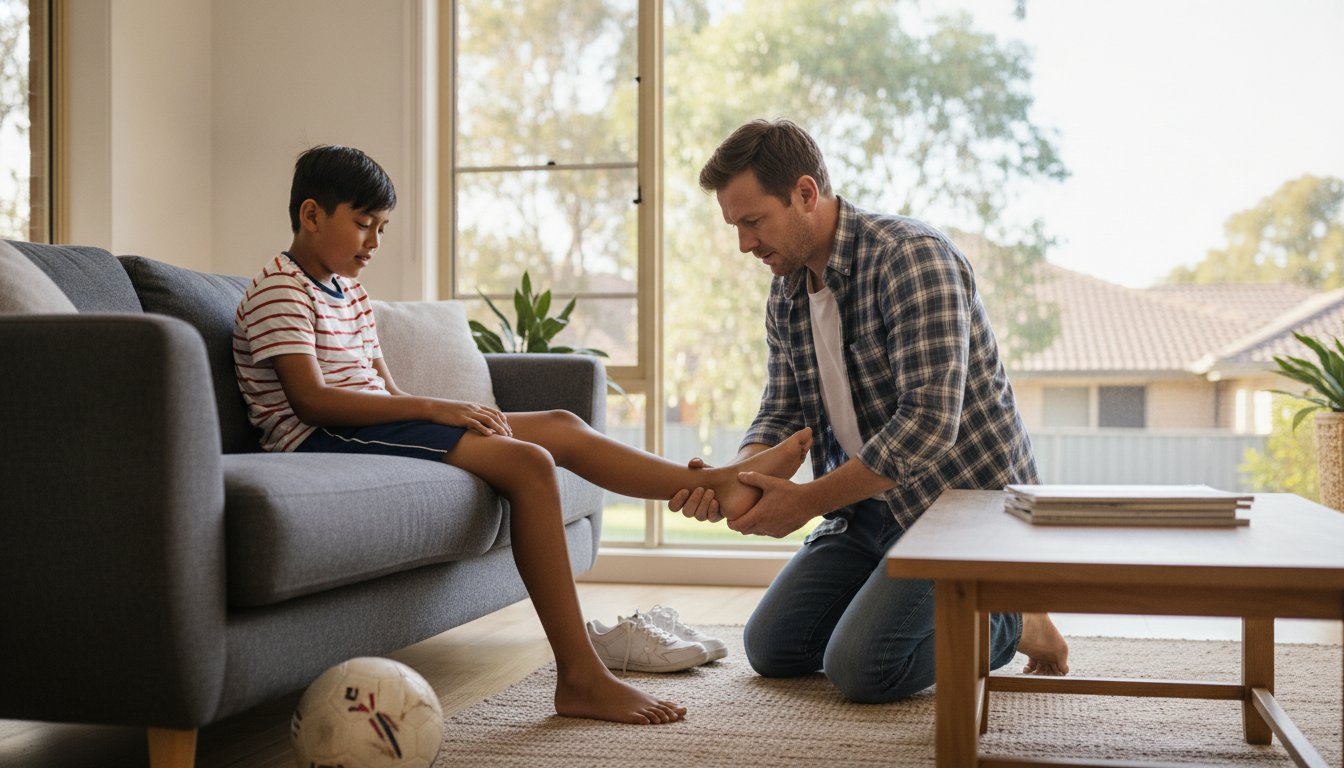
It is a typical Saturday afternoon, but instead of celebrating a win on the footy field, your child is on the lounge room floor clutching their heels in tears. You are likely feeling that familiar mix of empathy and confusion, wondering if this is a standard childhood milestone or a sign of a more serious alignment issue. Seeing your little one sidelined by discomfort is stressful, especially when you are not quite sure if you should wait it out or seek professional help.
We understand that you want your child to stay active and pain-free without worrying about their long-term development. This guide offers a clear path forward for growing pains in feet child treatment, providing you with the tools to identify the root cause of their distress. We will explore the difference between normal growth and biomechanical issues like Sever’s disease, share actionable home remedies for relief, and clarify the specific signs that indicate it is time for a professional podiatry consultation.
Key Takeaways
- Learn why “growing pains” is often a misnomer and how biomechanical factors actually contribute to your child’s physical discomfort.
- Discover how to identify Sever’s disease, a common cause of heel pain in active Australian children, and understand the science behind growth plate tension.
- Master the balance between immediate home care, such as “relative rest” and ice, and effective growing pains in feet child treatment provided by a podiatrist.
- Understand how a professional biomechanical assessment and gait analysis can pinpoint the exact cause of persistent foot and leg pain.
- Explore long-term management strategies, including how custom orthotics can redistribute pressure to protect sensitive growth plates while your child remains active.
What Exactly Are Growing Pains in Children’s Feet?
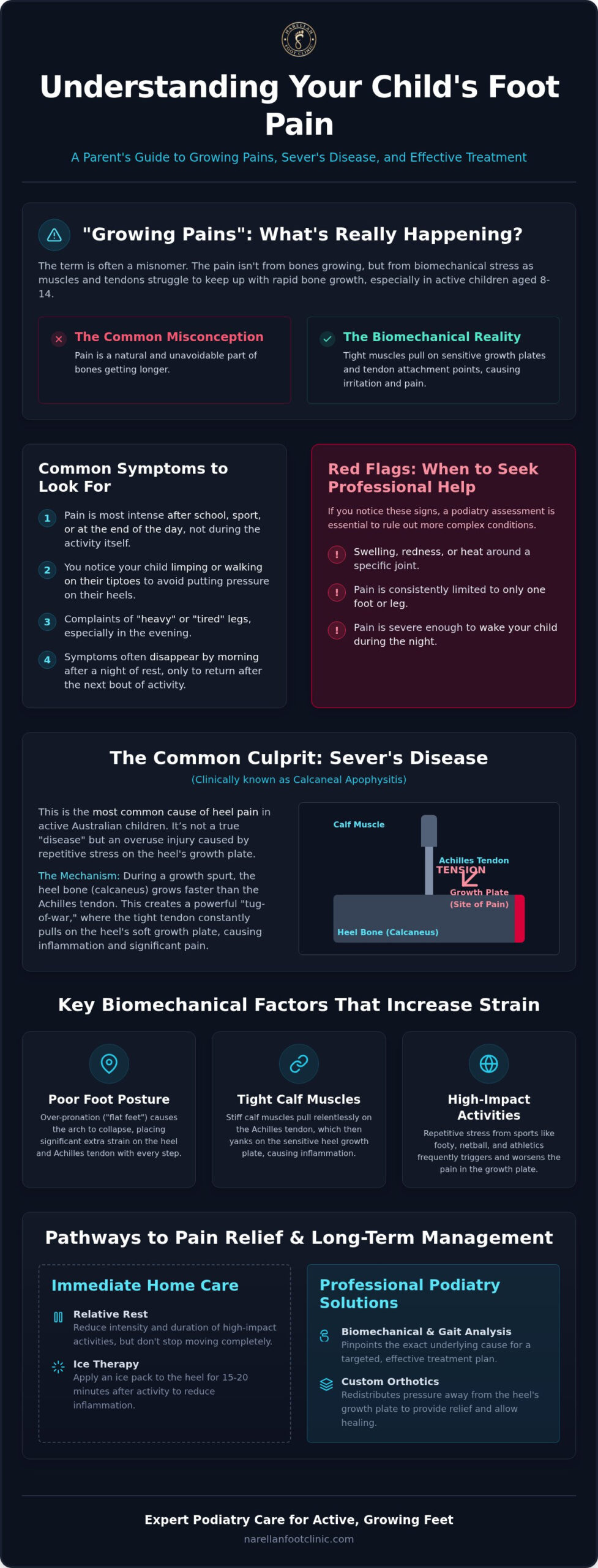
The term “growing pains” is often used to describe the vague, recurring discomfort that many children experience in their lower limbs. While it sounds like a straightforward part of childhood, What Are Growing Pains actually refers to a complex set of symptoms that usually peak between the ages of 8 and 14. In the podiatry clinic, we often find that growing isn’t the primary cause of the ache. Instead, the pain typically results from the physical stress placed on developing muscles and tendons as they struggle to keep pace with rapid bone growth.
It is a common misconception that the act of growing itself is painful. Bones grow slowly, and the process does not typically trigger nerve endings. When we discuss growing pains in feet child treatment, we are usually addressing biomechanical stresses. During growth spurts, muscles can become tight and pull on sensitive attachment points, especially in the heels and arches. This tension is frequently triggered by high-impact activities common in Australian life, such as weekend footy, netball, or athletics.
Common Symptoms Parents Should Look For
Identifying the early signs of foot-related discomfort can help you manage the issue before it sidelines your child. You might notice that the pain is most intense after a long day of school or a heavy training session. Some children will start limping or walking on their tiptoes to avoid putting direct pressure on their heels. Another common sign is a complaint of “heavy” or “tired” legs by the time dinner arrives. These symptoms often disappear by morning, only to return after the next bout of physical activity.
When to Worry: Red Flags in Paediatric Foot Pain
While many growth-related aches are manageable, certain red flags suggest a need for professional intervention. If you notice swelling, redness, or heat around a specific joint, this is not a standard growing pain. Similarly, pain that is consistently limited to only one foot deserves a closer look, as growth-related issues usually affect both sides. Most importantly, if the pain is severe enough to cause your child to wake up crying during the night, it is a clear signal that they require a formal assessment to rule out more complex conditions.
Identifying Common Causes: Is it Sever’s Disease?
Many parents assume that any leg ache is just a “niggle” from growing, but for active Australian kids, the culprit is frequently Sever’s Disease. Providing effective growing pains in feet child treatment starts with a correct diagnosis. This condition is the most common cause of heel pain we see in the clinic, particularly among children aged 8 to 14. Calcaneal Apophysitis is the clinical name for Sever’s. It is not a disease in the traditional sense, but rather an overuse injury that occurs when the heel bone grows faster than the surrounding tendons.
When a child goes through a growth spurt, their bones often grow faster than their muscles and tendons. This creates a “tug-of-war” scenario where the Achilles tendon pulls tightly against the back of the heel. Specifically, this tension affects the calcaneal growth plate, which is a layer of developing cartilage at the back of the heel bone. Because this area hasn’t fully turned into solid bone yet, it is highly susceptible to irritation and inflammation. Parents often ask Is it Sever’s Disease? when they notice their child limping after a long day of school sport or Saturday footy.
The Role of Biomechanics in Child Foot Pain
Biomechanics refers to the way your child’s body moves and functions. If a child has poor foot posture or over-pronation, often called flat feet, the arch collapses and the foot rolls inward. This movement significantly increases the strain on the heel and the surrounding soft tissues. Tight calf muscles are another major factor. When the calves are stiff, they pull even harder on the Achilles tendon, which then yanks on the growth plate. Some children are naturally more prone to these issues due to their unique foot structure or high levels of physical activity. For a broader perspective on physical alignment, The Chiropractic Centre provides specialised paediatric care that focuses on supporting musculoskeletal health during growth.
While Sever’s is the usual suspect, other structural issues can mimic these symptoms. Paediatric flat feet are common, but they only require support if they cause pain or affect your child’s mobility. Juvenile bunions or early-stage structural misalignments can also cause discomfort that feels like a general ache. Understanding the underlying cause is the first step toward effective growing pains in feet child treatment. If your child’s pain persists, a professional biomechanical assessment can provide the clarity and relief your family needs.
Home Remedies vs. Professional Treatment for Growing Pains
When your child first complains of sore feet after a busy day, your first instinct is often to offer comfort and wait for the phase to pass. For many parents, a “wait and see” approach is the natural starting point. Proactive home care can significantly reduce the frequency and severity of these painful episodes. According to a comprehensive review on growing pains, while the condition is often considered a normal part of development, the impact on a child’s daily activity and emotional wellbeing can be substantial. Effective growing pains in feet child treatment often begins with simple, consistent strategies that you can implement in your own lounge room.
Managing activity levels is a delicate balance. Total rest is rarely the answer for an active child, as it can lead to frustration and a loss of fitness. Instead, we typically recommend “relative rest”. This involves modifying the intensity or duration of physical activity rather than stopping sport entirely. If your child is struggling with the full ninety minutes of soccer, perhaps they only play one half. This approach keeps them engaged with their team while managing the physical load on their developing feet.
Effective Home Management Strategies
Immediate relief can often be found by using a “frozen water bottle” massage. Have your child roll a frozen bottle under their arch and heel for five to ten minutes after activity. This provides a gentle massage while the cold helps to soothe irritated tissues. Gentle calf stretches are also vital for reducing the “tug-of-war” on the heel bone. Try to turn this into a fun game or a part of their bedtime routine to ensure consistency. Additionally, encourage your child to wear supportive footwear even when they are inside the house. Walking barefoot on hard tiles or timber floorboards can increase the strain on an already sensitive growth plate.
When to Book a Professional Consultation
There comes a point where home remedies are no longer enough to manage the discomfort. If your child’s pain persists for more than two weeks despite consistent icing and stretching, it is time for a professional opinion. You should also be concerned if you notice your child withdrawing from sports or playground activities they usually love. Physical pain should never be a barrier to their social development or physical health. Maintaining baseline health through professional general foot care is essential for active families. Seeking growing pains in feet child treatment early can prevent compensatory injuries and ensure your child stays on the field where they belong.
How a Biomechanical Assessment Resolves Persistent Pain
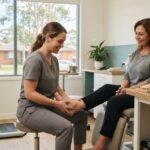
When home remedies don’t provide the relief your child needs, a more detailed clinical approach is required. At Narellan Foot Clinic, our specialised paediatric evaluations go beyond treating symptoms to find exactly why your child is struggling. We look at the foot not as an isolated part, but as the foundation of the entire lower limb. A biomechanical assessment is the gold standard for diagnosing paediatric foot pain, allowing us to create a clear roadmap for recovery. This process is essential for effective growing pains in feet child treatment, as it identifies the specific physical stresses unique to your child’s body.
During the assessment, we carefully evaluate joint range of motion and muscle strength. We check if certain muscles are too tight or if specific joints are restricted, which often happens during rapid growth spurts. By pinpointing these “root causes,” we move away from a one-size-fits-all approach and toward a personalised plan that addresses your child’s specific needs. Our goal is to ensure they can return to the playground or the footy field with total confidence.
Demystifying the Gait Analysis Process
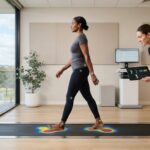
Gait analysis is a vital part of our diagnostic process. We observe how your child stands, walks, and runs to see how their feet interact with the ground. This visual assessment helps us identify alignment issues, such as excessive rolling in or a collapsed arch, that might be placing extra strain on the growth plates. We also check for more subtle factors like leg length discrepancies or pelvic tilts that could be contributing to recurring discomfort. For a deeper look at the technical aspects of this process, you can explore our biomechanical assessment guide.
Developing a Tailored Recovery Plan
Once we have gathered all the data, we develop a recovery plan tailored to your child’s lifestyle and physical requirements. This often involves a combination of manual therapies and specific exercise prescriptions designed to improve flexibility and strength. Education is just as important; we take the time to explain the findings to both you and your child so you feel empowered to manage their foot health at home. If your child’s “growing pains” are preventing them from staying active, it is time to book a comprehensive assessment with our experienced team to find a lasting solution.
Long-Term Management: Orthotics and Footwear Solutions
Managing long-term comfort for an active child requires a combination of structural support and appropriate footwear. For many families in the Macarthur region, this is the final piece of the puzzle in growing pains in feet child treatment. While home remedies and clinical assessments provide the initial foundation for relief, daily support ensures that discomfort does not return during the next inevitable growth spurt. By addressing the way the foot interacts with the ground, we can significantly reduce the mechanical stress on developing bones.
The primary goal of long-term management is to redistribute pressure away from sensitive areas, such as the calcaneal growth plate. When a child’s foot is properly aligned, the muscles and tendons don’t have to work as hard to maintain stability. This reduction in “tug-of-war” tension allows the growth plate to settle, even while your child continues to participate in high-impact sports. Regular reviews are a vital part of this journey, as a child’s foot structure and gait can change rapidly as they mature.
Custom Orthotics for Children: What Parents Need to Know
Many parents initially try “off-the-shelf” inserts from the chemist, but these generic options often fail to address a child’s specific biomechanical needs. Every child has a unique foot shape and degree of rotation. Custom orthotics are professionally designed to match the exact contours of your child’s feet, providing support where it is needed most. At Narellan Foot Clinic, we use precise scanning technology to create these devices, ensuring they fit comfortably into school and sports shoes. Because children’s feet can grow up to two sizes in a year, we monitor the fit closely to ensure the orthotics continue to provide effective correction.
Footwear Advice for Active Aussie Kids
In Australia, children spend a significant portion of their week in school shoes, often on hard bitumen playgrounds. A quality school shoe should provide a firm heel counter, a secure fastening system, and enough depth to accommodate orthotics if required. When it comes to weekend sport, choosing the right footy boots or netball shoes is essential to minimise heel strain. Many modern boots are designed for speed and can be quite flat, which often exacerbates tension on the Achilles tendon. We suggest looking for footwear with a slight heel elevation to help offload the growth plate.
Our “Safe Pair of Hands” approach at Narellan Foot Clinic focuses on providing local families with practical, evidence-based advice. We understand the specific demands of local sports and school environments in Narellan and Campbelltown. Consistent monitoring and the right footwear choices are the most effective ways to ensure growing pains in feet child treatment remains successful over the long term, keeping your child active and pain-free.
Empowering Your Child to Move with Confidence
Navigating your child’s physical development doesn’t have to be a journey of guesswork. By distinguishing between normal growth milestones and biomechanical stresses like Sever’s disease, you can address discomfort before it impacts their love for sport. While home remedies offer immediate relief, a comprehensive understanding of their gait and foot structure is the key to preventing recurring issues. Effective growing pains in feet child treatment relies on a personalised approach that evolves alongside your child’s needs.
With over 25 years of experience in Narellan and a specialised paediatric focus, our clinic provides the “safe pair of hands” your family deserves. We offer on-the-spot HICAPS and Medicare claims to ensure your visit is as seamless and stress-free as possible. Book a Biomechanical Assessment for your child at Narellan Foot Clinic today and let us help them return to the playground with total comfort. We look forward to supporting your child’s journey toward active, pain-free movement.
Frequently Asked Questions
How can I tell the difference between growing pains and an actual injury?
Growing pains typically present as a dull ache in both feet or legs, whereas an injury is usually localised to one side. You should look for physical markers such as swelling, redness, or bruising, which are uncommon with standard growth-related discomfort. If the pain is sharp or follows a specific fall or impact, it is likely an injury. Growing pains tend to flare up in the evening or after a long day of activity.
Does my child need to stop playing sport if they have foot pain?
Total cessation of sport is rarely necessary and can often be counterproductive for a child’s wellbeing. We generally recommend “relative rest”, which involves modifying the intensity or duration of their physical activity. For example, your child might play a shorter duration of their Saturday footy match or skip one training session a week. This approach manages the physical load while keeping them connected to their team and social circles.
Will my child eventually grow out of Sever’s Disease?
Yes, children do eventually grow out of Sever’s Disease once their growth plates have fully matured and fused into solid bone. This process typically occurs between the ages of 14 and 15 for most children. While the condition is self-limiting, it is vital to manage the symptoms in the meantime. Proper care prevents your child from developing compensatory movement patterns that could lead to other long-term lower limb issues.
Are custom orthotics permanent, or just until they stop growing?
Custom orthotics for children are often a temporary measure used to support the foot during high-growth phases. As your child’s foot structure stabilises and the growth plates fuse, the need for orthotics may decrease or disappear entirely. However, because children’s feet grow so rapidly, these devices must be reviewed regularly. We typically update the prescription as their shoe size increases to ensure the support remains correctly aligned with their developing arches.
Can the wrong school shoes cause growing pains in the feet?
While school shoes don’t technically cause growth spurts, poorly designed footwear can certainly exacerbate the symptoms of foot pain. Many Australian school shoes lack the necessary arch support and heel cushioning required for long days on hard bitumen playgrounds. If a shoe is too flexible or lacks a firm heel counter, it can increase the strain on the Achilles tendon. Choosing a supportive shoe provides a stable foundation that minimises recurring discomfort.
How long does a typical podiatry treatment plan take for a child?
A typical treatment plan for growing pains in feet child treatment often shows results within two to four weeks of starting. The initial phase focuses on reducing inflammation and providing immediate comfort through icing and footwear changes. A longer-term plan usually involves a few months of monitoring and exercise to ensure the pain doesn’t return. Every child is different, so we tailor the duration based on their activity levels and growth rate.
Does Medicare or private health insurance cover child podiatry in Narellan?
Most private health insurance funds provide rebates for podiatry, and we offer on-the-spot claims through HICAPS at our Narellan clinic. Medicare may also cover a portion of the consultation fees if your child has a Chronic Disease Management plan from their GP. It is best to check with your specific provider to understand your level of cover. Our team is always happy to help you navigate the claiming process during your visit.
Can stretching alone fix my child’s sore heels?
Stretching is a fantastic tool for managing tight calf muscles, but it is often only one part of the solution. If your child has underlying biomechanical issues, such as flat feet or restricted joint movement, stretching alone may not provide lasting relief. A complete recovery plan usually combines stretching with supportive footwear and, in some cases, custom orthotics. This multi-faceted approach ensures we address the root cause rather than just the symptoms.