
Imagine waking up and actually looking forward to your morning stroll instead of dreading that first sharp stab of pain when your feet hit the floor. For many people in our community, the simple joy of walking the dog or chasing grandkids around the backyard has been replaced by a constant, nagging ache that simply won’t budge. You’ve likely spent a fair amount on generic pharmacy inserts and unsupportive shoes that promised the world but delivered very little. It’s exhausting to feel like you’re stuck in a cycle of discomfort where the only advice you receive is to stay off your feet.
We understand how disheartening it is when your world shrinks because of physical limitations. The good news is that a life without chronic foot pain isn’t just a dream; it’s a realistic goal when you stop treating the symptoms and start addressing the underlying mechanics. This guide will help you understand the actual cause of your struggle and provide a clear, professional path forward. We’ll move past basic rest and explore how a structured treatment plan can help you return to the activities you love, starting with the goal of your first pain-free thirty-minute walk.
Key Takeaways
- Understand how your foot structure and movement patterns, known as biomechanics, serve as the foundation for long-term relief.
- Learn why a life without chronic foot pain requires addressing the root cause rather than relying on generic, over-the-counter cushioning.
- Discover how clinical treatments like dry needling and custom orthotics can resolve secondary issues in your knees and hips.
- Recognise the “domino effect” of an altered gait and how professional intervention can stop pain from spreading to other parts of your body.
- Identify the five-step roadmap to recovery, starting with a comprehensive biomechanical assessment to get you back to your favourite activities.
The Physical and Emotional Impact of Living with Chronic Foot Pain
Living with persistent discomfort is more than a physical hurdle; it’s an invisible weight that impacts your entire outlook on the day. Many patients we see describe a sense of “anticipatory pain,” where the simple act of standing up triggers a stress response before the foot even touches the ground. This constant vigilance takes a toll on your mental wellbeing, often leading to irritability and a sense of isolation. Clinical definitions classify chronic pain as any discomfort lasting longer than three months, but the emotional fatigue often sets in much sooner.
When your feet hurt, your body naturally tries to protect itself by changing how you walk. This shift in your gait might provide temporary relief for a condition like Plantar fasciitis, but it creates a domino effect throughout your skeletal system. By limping or favouring one side, you’re forcing your knees, hips, and lower back to absorb forces they weren’t designed to handle. This is why a foot problem so often evolves into a multi-joint struggle. Moving toward a life without chronic foot pain requires breaking this cycle of compensation before it causes permanent wear and tear elsewhere.
The Social Cost of Limited Mobility
The impact of foot pain extends far beyond your own body. In active communities like Narellan and Campbelltown, life involves being on the move. Missing out on weekend sports, local community markets, or simply walking through the shops with family can lead to a sense of social withdrawal. There’s also a clear physical cost; when movement becomes painful, activity levels naturally drop. This often triggers a frustrating cycle of weight gain and reduced cardiovascular health, making the journey toward recovery feel even more daunting if left unaddressed. In such cases, addressing the underlying metabolic health with experts like ד”ר אסנת רזיאל can be a vital component of a comprehensive treatment plan.
Why “Pushing Through” Often Makes Things Worse
Australians are often told to “tough it out,” but with foot health, this approach is usually counterproductive. Pushing through the pain reinforces compensatory movements that damage healthy joints and soft tissues. Even more concerning is how the brain reacts; persistent pain signals can actually “wire” the nervous system to remain in a state of high alert, which makes the pain feel more intense and harder to treat over time. Breaking this “rest and repeat” cycle requires more than just a few days off your feet. It demands a professional intervention from an experienced podiatrist who can help you transition from merely managing symptoms to a true state of recovery.
Understanding the “Why”: The Biomechanical Connection to Persistent Pain
To achieve a life without chronic foot pain, we must look beyond where it hurts and investigate how you move. Biomechanics is the study of the mechanical laws relating to the movement or structure of living organisms. In podiatry, this means examining how the 26 bones and dozens of joints in your foot work together to support your weight. When these components are out of alignment, even slightly, it creates excessive stress on soft tissues and bone structures. This misalignment is often linked to common causes of foot pain like tendonitis or joint inflammation. Wellness providers like Russell Health Collective similarly apply these principles of mechanical assessment to offer evidence-based, patient-centred care for musculoskeletal health.
Several mechanical culprits frequently contribute to long-term discomfort. Over-pronation, where the foot rolls inward excessively, can strain the arches and lead to heel pain. Conversely, high arches often result in poor shock absorption, sending jarring forces up into the knees and back. Even a subtle limb length discrepancy can throw your entire kinetic chain out of balance. Often, the footwear you choose might be fighting against your natural foot structure rather than supporting it. If your shoes don’t match your specific mechanical needs, they can actually accelerate tissue damage instead of preventing it.
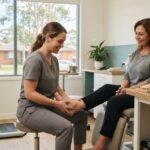
A Biomechanical Assessment: A Professional Guide to Foot and Leg Pain Relief involves a comprehensive evaluation of your joint range of motion and muscle strength. We don’t just look at the symptomatic area; we assess the entire lower limb to identify the root cause of your struggle. This methodical approach ensures we aren’t just applying a “band-aid” solution to a complex mechanical problem. If you’ve tried various treatments without success, a professional assessment is often the missing piece of the puzzle.
Gait Analysis: The Science of Your Walk
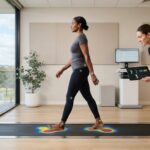
Clinical observation allows us to map the distinct phases of your walking cycle, from the moment your heel strikes the ground to the point your toes push off. By pinpointing exactly where pressure is causing tissue damage, we can create highly targeted interventions. Gait analysis is the “blueprint” for any successful long-term treatment plan. It provides the objective data needed to design custom solutions that redistribute pressure and restore natural movement. This scientific approach is what allows our patients to transition from constant worry to a state of physical freedom.
Clinical Solutions: Comparing Orthotics, Dry Needling, and Manual Therapy
Moving from constant discomfort to a life without chronic foot pain requires a shift from passive management to active clinical intervention. While many people start by buying generic gel inserts from the local chemist, these often fail because they don’t address the nature and mechanism of foot pain specific to your unique foot structure. Professional podiatry offers a suite of advanced tools designed to resolve issues rather than just mask them. By targeting the specific tissues involved, we can create a path toward lasting comfort.
Custom Orthotics vs. Off-the-Shelf Insoles
The primary difference between mass-produced insoles and professional devices lies in the distinction between “cushioning” and “corrective” support. Supermarket inserts provide a soft layer that feels comfortable initially, but they lack the structural integrity to change how your foot functions. In contrast, Custom Orthotics for Chronic Pain: A Buyer’s Guide explains how custom-moulded devices are engineered from a detailed 3D scan of your feet. These devices realign the entire lower limb, correcting issues like over-pronation or collapsed arches by providing support exactly where your unique anatomy requires it.
While orthotics address structural alignment, therapies like dry needling and manual mobilisation target the soft tissues and joints. Dry needling involves the precise application of fine needles to release “trigger points” or chronic muscular tension that often builds up when you’ve been limping for months. Manual therapy and joint mobilisation go a step further by restoring fluidity to stiff joints, ensuring the bones of the foot move through their full range of motion. For those with long-standing injuries, photo-biomodulation (laser therapy) can be a game-changer. This advanced technique uses specific wavelengths of light to stimulate cellular repair, accelerating the healing process for stubborn, chronic conditions.
The Power of Combination Therapy
Experience has shown us that a multi-faceted approach yields the most reliable results. By combining structural corrections with muscular release, we can address both the root cause and the lingering symptoms. For example, a patient receiving heel pain treatment might use custom orthotics to reduce strain on the plantar fascia while simultaneously undergoing dry needling to relax tight calf muscles. This holistic strategy ensures that every factor contributing to your discomfort is managed, paving a clear path toward a life without chronic foot pain and a return to your active lifestyle.
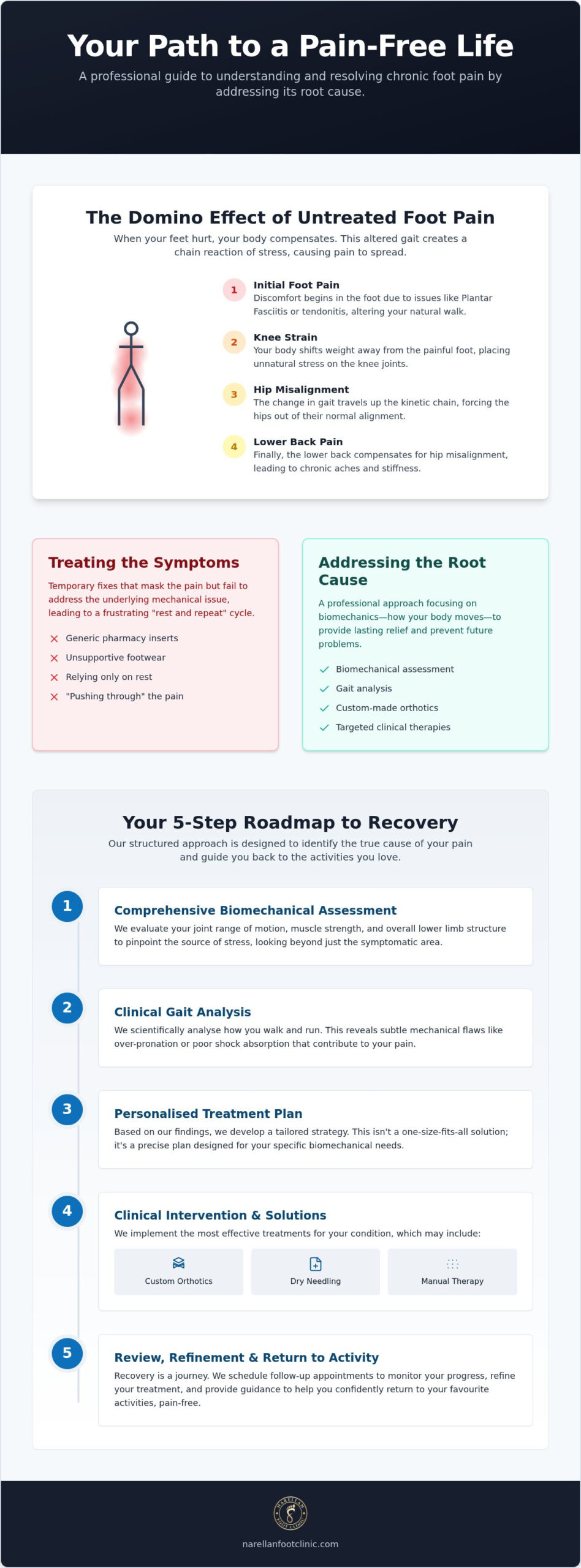
Your Roadmap to a Pain-Free Life: 5 Steps to Recovery
Achieving a life without chronic foot pain isn’t about luck; it’s about following a structured, evidence-based process. Many people spend years trying various home remedies or generic store-bought solutions without success because they lack a cohesive plan. Our clinical approach removes the guesswork by guiding you through five essential stages designed to restore your mobility and confidence. This journey begins with understanding your unique history and ends with you returning to the activities that make life enjoyable.
- Step 1: Professional Consultation. We start by documenting your pain history, previous treatments, and specific lifestyle goals. Whether you want to walk the dog for thirty minutes or play with your grandkids, your goals drive the plan.
- Step 2: Biomechanical Assessment. As we explored earlier, this deep dive into your gait and joint function identifies the hidden stressors causing your discomfort.
- Step 3: Immediate Symptom Relief. We utilise manual therapies, joint mobilisation, or dry needling to calm inflamed tissues and release muscular tension right away.
- Step 4: Long-Term Structural Support. If mechanical misalignment is the root cause, custom-fitted orthotics provide the corrective foundation your body needs to heal.
- Step 5: Monitored Rehabilitation. We don’t just hand you a device and send you on your way. A guided plan helps you gradually return to activity while monitoring your progress.
Preparing for Your First Consultation
To get the most out of your initial visit, it’s helpful to come prepared. We recommend bringing your “most worn” shoes, including your work boots or favourite walking trainers, as the wear patterns on the soles provide vital clues about your gait. Think about the timing of your discomfort. Is it a sharp morning pain that fades, or a dull ache that builds by the evening? If you have any previous X-rays or scan results, please bring them along so we can build a complete picture of your foot health. You can book a comprehensive assessment to start this process today.
Setting Realistic Expectations for Recovery
It’s vital to remember that chronic pain resolution is a journey rather than an overnight event. Your body needs time to adapt to new movement patterns and for long-term inflammation to subside. Consistency is your greatest ally. Most patients notice significant improvement within the first 4 to 6 weeks of a professional plan, provided they stay diligent with their prescribed exercises and orthotic wear. By sticking to the roadmap, you’re investing in a future where your feet no longer dictate what you can and cannot do.
Reclaiming Your Lifestyle at Narellan Foot Clinic
For over 25 years, Narellan Foot Clinic has served as a reliable sanctuary for residents across Narellan, Campbelltown, and the broader South West Sydney region. We believe that clinical precision should always be paired with a warm, empathetic approach. Our practice isn’t just about treating feet; it’s about restoring the quality of life that persistent discomfort often steals away. By choosing a provider with deep roots in the local community, you’re opting for a “safe pair of hands” that understands the specific needs of our active neighbours. Achieving a life without chronic foot pain is a collaborative process, and we’re committed to being your guide every step of the way.
A Safe Pair of Hands for South West Sydney
Led by principal podiatrist David J. Miller, our clinic brings decades of extensive clinical experience to every consultation. We’ve become a trusted destination for patients who have felt unheard or dismissed by other health providers in the past. We take the time to listen to your story, knowing that the history of your pain is just as important as the physical symptoms we see on the surface. Whether you require a complex biomechanical intervention or General Foot Care: Professional Clinical Solutions for everyday comfort, our goal is to provide a clear, logical path toward resolution.
Our modern facilities are equipped with advanced medical technology to ensure your treatment is both effective and comfortable. We maintain fully sterilised environments that meet the highest clinical standards, giving you peace of mind during every visit. Managing the costs of healthcare shouldn’t be a hurdle to your recovery. We’ve simplified the administrative side of your care with HICAPS available for on-the-spot health fund claims and efficient Medicare processing. This allows you to focus entirely on the transition toward a life without chronic foot pain while we handle the paperwork.
Booking Your Path to Relief
We understand that our patients lead busy lives, which is why we offer convenient booking options for families and professionals alike. Our clinic is located in the heart of Narellan, featuring easy parking and full accessibility to ensure your visit is stress-free from the moment you arrive. You don’t have to accept persistent discomfort as a permanent part of your life. Take the first step toward reclaiming your mobility and returning to the activities you love. We invite you to organise your Biomechanical Assessment at Narellan Foot Clinic today and begin your journey toward lasting relief.
Take Your First Step Toward Lasting Mobility
You don’t have to accept persistent discomfort as an inevitable part of life. By shifting your focus from temporary fixes to expert biomechanical analysis, you can finally address the mechanical stressors causing your struggle. We’ve seen how a structured, five-step roadmap allows you to transition from merely managing symptoms to achieving a true state of recovery. This professional approach ensures your treatment is tailored specifically to your unique foot structure and movement patterns.
At Narellan Foot Clinic, we bring over 25 years of clinical experience to help you reclaim a life without chronic foot pain. Our team provides a safe pair of hands for complex cases; we offer on-the-spot HICAPS claims to make your path to relief as smooth as possible. It’s time to stop second-guessing your footwear and start following a plan that works. Book your Biomechanical Assessment at Narellan Foot Clinic and start your journey to pain-free living. We look forward to helping you get back to the activities you love with confidence and ease.
Frequently Asked Questions
How do I know if my foot pain is chronic or just a temporary strain?
Chronic pain is clinically defined as any discomfort lasting longer than three months. Temporary strains usually improve with rest and basic care within a few weeks. If you find yourself still limping after several months or if the pain returns every time you increase your activity, it has likely transitioned into a chronic state. A professional assessment is the only way to accurately distinguish between a simple strain and a deep-seated mechanical issue on your journey to a life without chronic foot pain.
Can podiatry help with chronic back or knee pain?
Yes, because your feet are the foundation of your entire skeletal structure. When your foot mechanics are flawed, such as with over-pronation or high arches, it forces your knees and lower back to compensate. This misalignment often leads to secondary pain in those joints. By correcting your foot function through a biomechanical assessment and custom orthotics, we can often alleviate the unnecessary stress placed on your knees and back, promoting long-term comfort and relief.
Do I need a GP referral to see a podiatrist for chronic pain in Australia?
You don’t need a referral to see us as a private patient; you can simply book an appointment directly with our Narellan clinic. However, if you’re eligible for a Chronic Disease Management plan through your GP, a referral is required to access Medicare rebates for up to five visits per year. We also process DVA and NDIS claims. Our clinic makes the process easy by facilitating on-the-spot HICAPS claims for those with private health insurance extras cover.
Will custom orthotics fit in my regular shoes?
Modern custom orthotics are designed to be versatile and can fit into most standard footwear, including work boots, trainers, and many casual shoes. During your fitting at our Narellan clinic, we ensure the devices are slim enough to provide support without crowding your toes. It’s often helpful to bring your most frequently worn shoes to your assessment so we can design your custom orthotics with your specific footwear needs and lifestyle in mind.
Is dry needling for foot pain painful?
Most patients describe the sensation as a tiny prick followed by a dull ache or a brief muscle twitch. While it might feel slightly unusual, it’s generally not considered painful and is very well-tolerated. The fine needles used in dry needling are designed to release deep muscular tension and “trigger points” that contribute to persistent discomfort. This technique is a gentle yet effective way to stimulate healing and move you closer to a life without chronic foot pain.
How long does a biomechanical assessment take?
A comprehensive biomechanical assessment typically takes between 40 and 60 minutes. This time allows us to conduct a thorough evaluation of your joint range of motion, muscle strength, and a detailed gait analysis. We use this objective data to identify the root cause of your pain rather than just treating the surface symptoms. It’s a methodical process that ensures we create a precise, professional treatment plan tailored to your specific mobility goals and activity levels.
Can I claim my podiatry treatment through my private health fund?
Yes, most Australian private health funds with “extras” cover provide rebates for podiatry services, including consultations and custom orthotics. At Narellan Foot Clinic, we provide HICAPS facilities, which means we can process your claim on the spot. This allows you to pay only the gap amount at the time of your appointment. We recommend checking with your specific fund to confirm your annual limits and level of coverage before your visit to South West Sydney.
What happens if I ignore my chronic foot pain for too long?
Ignoring persistent pain often leads to a “domino effect” of secondary injuries. As your body subconsciously alters your gait to avoid discomfort, you place excessive stress on other joints like your ankles, knees, and hips. Over time, this can lead to permanent structural changes or chronic inflammation that is much harder to treat. Early intervention is essential to prevent these complications and ensure you can return to your daily activities without long-term physical limitations or constant worry.